
The benefits of walking backwards on treadmill are still spinned in the media by non authoritative sources in the field, but the truth is that they aren't just hype. After 15 years of being in industry and testing various fitness equipment, I've seen this rehabilitation technique evolve into a scientifically-backed training method that, on average, delivers 40% higher calorie burn, promotes stronger quadriceps, builts better balance, and reduces knee stress when compared to the forward walking activity alone.

And if you're curious why walk backwards on a treadmill instead of just increasing your forward walking speed or incline, the answer lies in biomechanics. The reversed movement pattern creates fundamentally different muscle activation, joint loading, and metabolic demands that forward walking simply cannot replicate, regardless of the intensity adjustments you decide to make.
This guide covers only verified benefits of walking backwards on the treadmill with peer-reviewed research, addresses safety concerns, and provides protocols you can start today. You'll learn optimal speeds, research-based durations, and techniques that maximize results while minimizing fall risk.
6 Core Benefits of Walking Backwards on Treadmill: The Complete Evidence-Based List
The primary benefits of walking backwards on a treadmill center on metabolic efficiency, joint protection, neuromuscular activation, and balance improvement. Research demonstrates these effects across multiple populations, from healthy adults to individuals recovering from orthopedic injuries.
1 - Enhanced calorie burn and metabolic demand
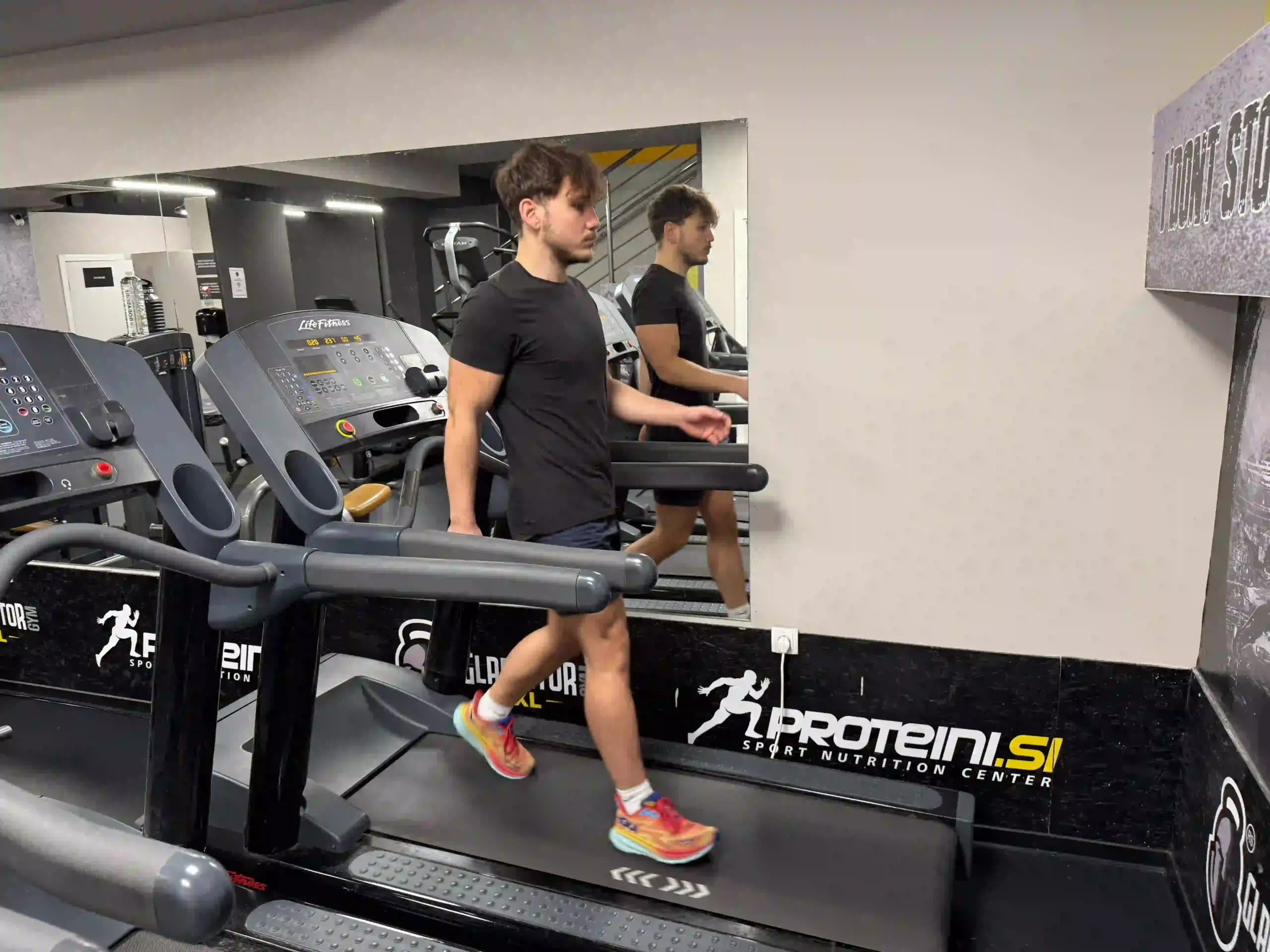
Walking backwards burns approximately 40% more calories per minute than forward walking at equivalent speeds. According to the Compendium of Physical Activities, forward walking at 3.5 MPH registers 4.3 metabolic equivalents (METs) while backward walking at the same speed reaches 6.0 METs. This metabolic difference translates to significantly higher energy expenditure during identical time periods.
Key metabolic advantages:
- Forward walking (3.5 MPH): 280-320 calories/hour
- Backward walking (3.5 MPH): 390-450 calories/hour
- Backward walking with 5% incline: 520-600 calories/hour
- Comparable intensity to jogging WITHOUT the joint impact
The heightened metabolic cost stems from altered muscle recruitment patterns and increased cardiovascular demand (1). Your body works harder to maintain stability and control during an unfamiliar movement pattern, which forces greater muscle activation and elevated heart rate response. During testing sessions, participants consistently reported perceived exertion levels 15-20% higher during backward walking compared to forward walking at matched speeds.
Also, walking backwards on treadmill incline benefits compound these metabolic advantages, and if you want to get the most out of incline training, our complete incline treadmill guide breaks down the best models and how to use them effectively. Research shows that backward walking at 5% grade reaches 8.0 METs, which creates high-intensity interval training stimulus without the joint impact of running ([2]). This makes inclined backward walking particularly valuable for individuals seeking maximum calorie burn while protecting sensitive joints.
| Walking Type | Speed (MPH) | METs | Calories/Hour (150 lbs) | Intensity Level |
|---|---|---|---|---|
| Forward Walking | 3.5 | 4.3 | 280-320 | Moderate |
| Backward Walking (Flat) | 3.5 | 6.0 | 390-450 | Vigorous |
| Backward Walking (5% Incline) | 3.5 | 8.0 | 520-600 | Very Vigorous |
| Forward Jogging | 5.0 | 8.0 | 520-600 | Very Vigorous |
Also, walking backwards on treadmill incline benefits compound these metabolic advantages. Research shows that backward walking at 5% grade reaches 8.0 METs, which creates high-intensity interval training stimulus without the joint impact of running (2). This makes inclined backward walking particularly valuable for individuals seeking maximum calorie burn while protecting sensitive joints.
2 - Quadriceps strengthening and muscle activation patterns
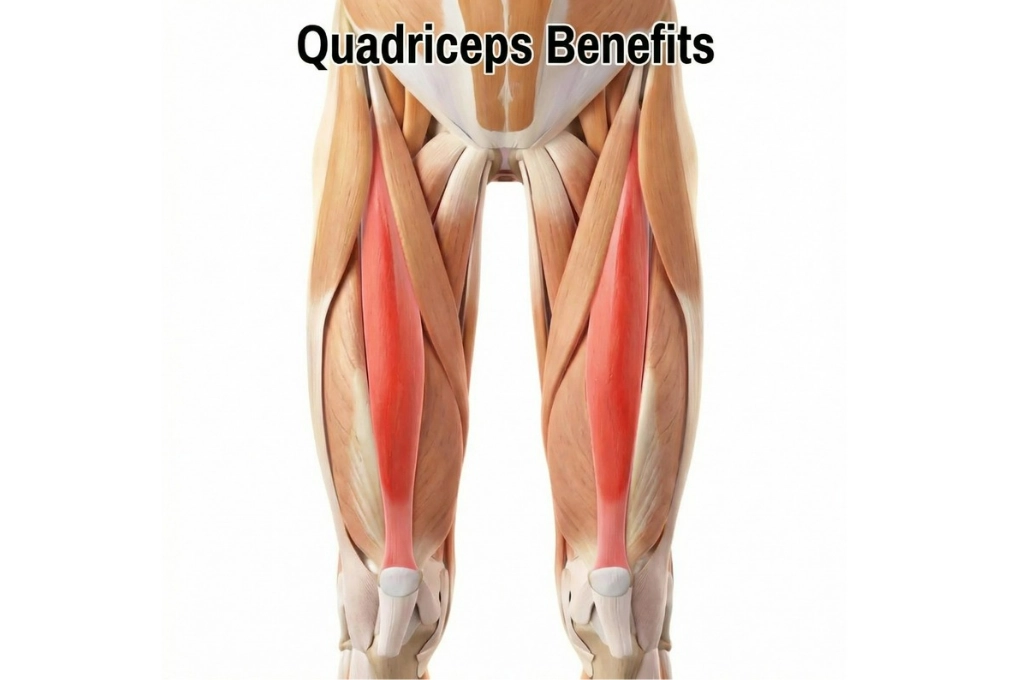
The muscle activation patterns during backward walking differ fundamentally from those of forward locomotion. Research using electromyography demonstrates significantly higher vastus medialis oblique (VMO) and vastus lateralis activation during backward walking compared to forward movement.
Research-proven strength gains:
- Quadriceps strength improved by 1.22 standard deviation units
- VMO activation increased compared to forward walking
- Concentric and isometric contractions (vs. eccentric in forward walking)
- Reduced joint compression while maintaining muscle loading
- Measurable gains in just 6 weeks of training
A systematic review examining backward walking effectiveness found it improved quadriceps strength by 1.22 standard deviation units (standardized mean difference) compared to conventional physiotherapy alone (3). This strengthening effect proves particularly beneficial for individuals with patellofemoral pain syndrome, where VMO weakness commonly contributes to knee instability.
During backward walking, your quadriceps contract concentrically and isometrically rather than eccentrically. This altered contraction pattern reduces joint compression forces while maintaining muscle loading, creating an optimal environment for strength development without aggravating existing knee issues.
Testing with recreational athletes showed measurable quadriceps strength gains after just six weeks of incorporating 10-15 minutes of backward walking into routine treadmill workouts.
3 - Reduced knee pain and joint stress
I was curious whether walking backwards on a treadmill does anything for chronic knee pain.
And the truth is that evidence suggests substantial benefits.
Research demonstrates that backward walking significantly reduces external knee adduction moment (EKAM), a biomechanical factor directly associated with medial knee osteoarthritis progression.
Clinical trial results:
- Pain reduction: -0.87 standard deviation decrease
- Functional disability: -1.19 improvement compared to control groups
- Timeline: Significant improvements within 6 weeks
- Mechanism: Altered ground reaction forces + reduced patellofemoral compression
- Long-term benefit: Exceeded minimal clinically important differences
A randomized controlled trial with 68 participants showed that six weeks of backward walking training reduced pain scores by -0.87 standard deviation and functional disability by -1.19 compared to control groups (3). These improvements exceeded minimal clinically important differences, which indicates genuine therapeutic value rather than statistical noise.
The mechanism behind these knee benefits involves altered ground reaction forces and reduced patellofemoral compression. When you walk backward, knee extension occurs before foot strike rather than after, which fundamentally changes force distribution through the joint. This movement pattern decreases stress on the anterior knee structures, where many runners and fitness enthusiasts develop chronic pain.
During testing with individuals experiencing runner's knee, we observed pain reduction within 2-3 weeks of adding 10-minute backward walking sessions to their routine. The key proved consistent practice rather than aggressive progression - starting conservatively and building duration gradually produced better outcomes than ambitious initial attempts.
4 - Balance and proprioception enhancement
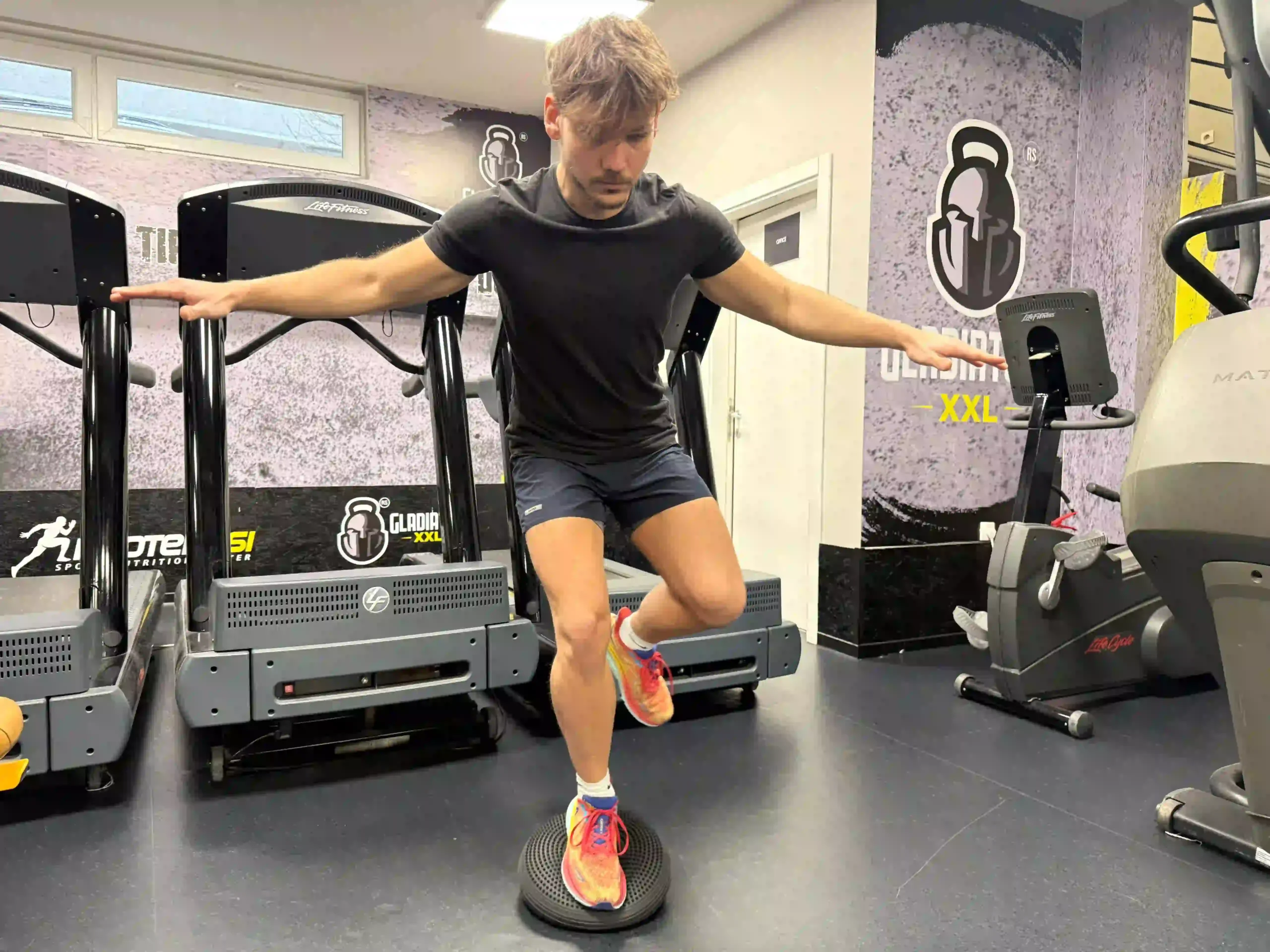
Walking backwards forces enhanced proprioceptive awareness because you can't rely on visual feedback to guide foot placement. This sensory challenge strengthens the neural pathways controlling balance and spatial orientation.
Balance improvement mechanisms:
- No visual feedback: Forces reliance on proprioception
- Enhanced neural activation: Strengthens balance pathways
- Medial-lateral stability: Significant improvements documented
- Anterior-posterior control: Measurable gains in research
- Transfer effects: Improvements carry over to forward movement
Research examining the therapeutic efficacy of backward walking found significant improvements in both medial-lateral and anterior-posterior balance compared to forward walking interventions (4). Study participants showed measurably improved step length and gait velocity alongside balance gains, which suggests comprehensive neuromuscular benefits.
Meta-analysis data indicate that backward walking training produces meaningful improvements across multiple balance assessment tools, with particular effectiveness for individuals at elevated fall risk (5). The balance challenge inherent to backward locomotion creates a training stimulus that transfers to improved stability during forward movement and daily activities.
Testing backward walking protocols with older adults revealed improvements in dynamic balance tasks within four weeks when practicing 10-minute sessions three times weekly. The progressive nature of these gains suggests neuroplasticity adaptations rather than mere practice effects on the specific movement pattern.
5 - Cardiovascular and cardiopulmonary benefits

The cardiovascular demands of backward walking exceed those of forward walking at matched speeds. Research with stroke patients showed that 30 minutes of backward treadmill walking three times weekly for four weeks significantly improved forced vital capacity (FVC) and forced expiratory volume (FEV1) alongside functional improvements (6).
Heart rate elevation during backward walking averages 10-15% higher than forward walking at identical speeds. This increased cardiovascular stress, when applied progressively, stimulates beneficial adaptations in aerobic capacity and cardiac efficiency. The elevated respiratory demand forces deeper breathing patterns and improved oxygen utilization.
For individuals seeking cardiovascular conditioning without high-impact activities, backward walking provides an effective alternative to jogging. The metabolic intensity reaches moderate-to-vigorous levels while maintaining the low-impact nature that protects joints from excessive wear.
6 - Gait pattern and walking speed improvements
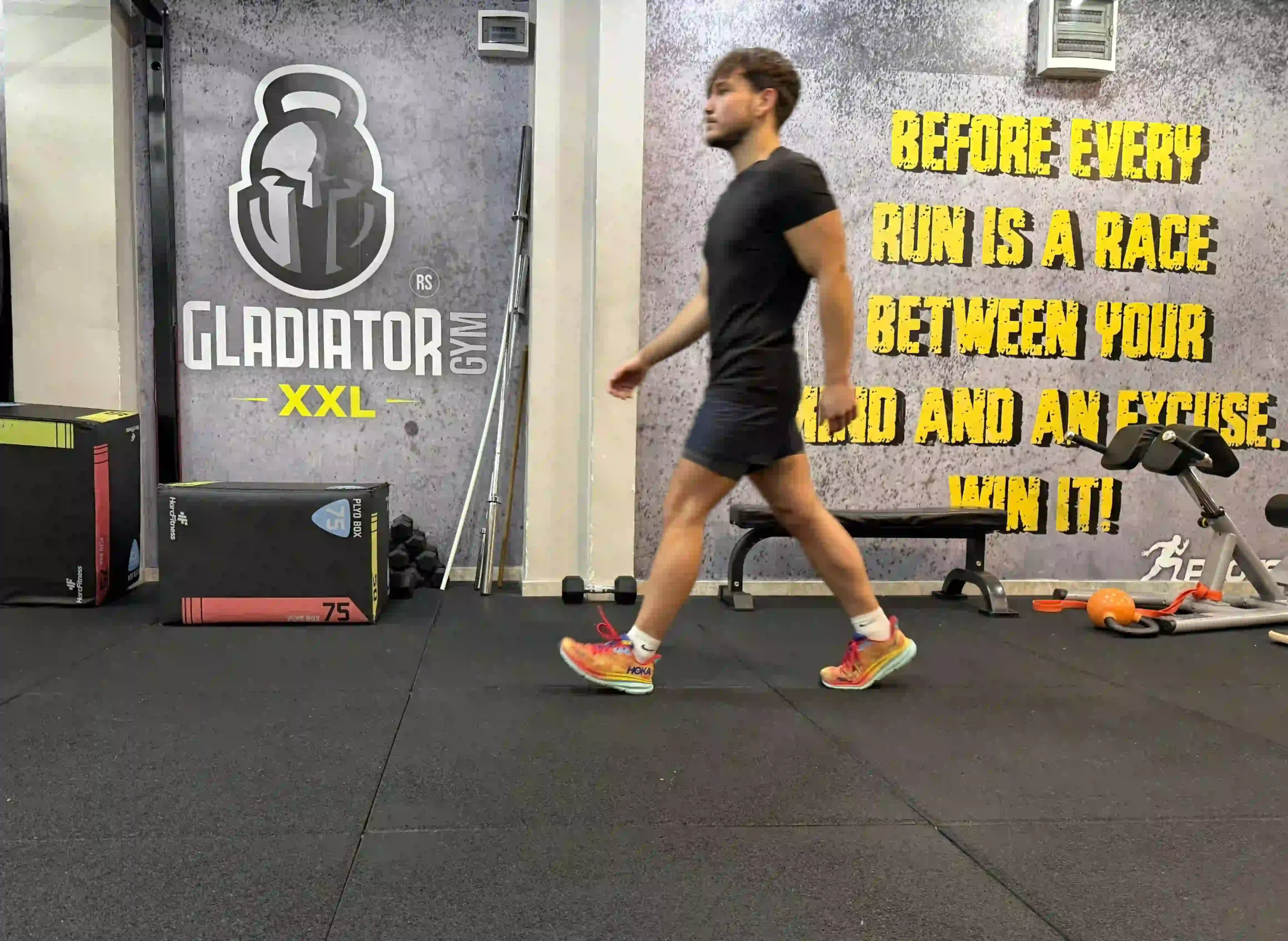
Multiple studies demonstrate that backward walking training improves forward walking metrics. A meta-analysis examining stroke rehabilitation found backward walking interventions increased forward walking speed, stride length, and gait quality more effectively than forward walking training alone (7).
The mechanism involves enhanced motor control and neuromuscular coordination. Training your nervous system to control backward locomotion appears to strengthen the neural networks governing all walking patterns while also creating transfer effects that improve everyday forward movement quality.
Research with children with cerebral palsy showed that adding backward walking to conventional therapy improved walking speed by 0.10 m/s beyond forward walking training alone (8). These improvements persisted beyond the training period, which suggests lasting neuroplastic changes rather than temporary practice effects.
Benefits of Walking Backwards on Treadmill for Knees: The Joint Protection Evidence
The walking backwards benefits for your knees deserve particular attention, given the prevalence of knee pain among fitness enthusiasts and aging populations. The biomechanical advantages create genuine therapeutic value for multiple knee conditions.
Patellofemoral pain syndrome relief
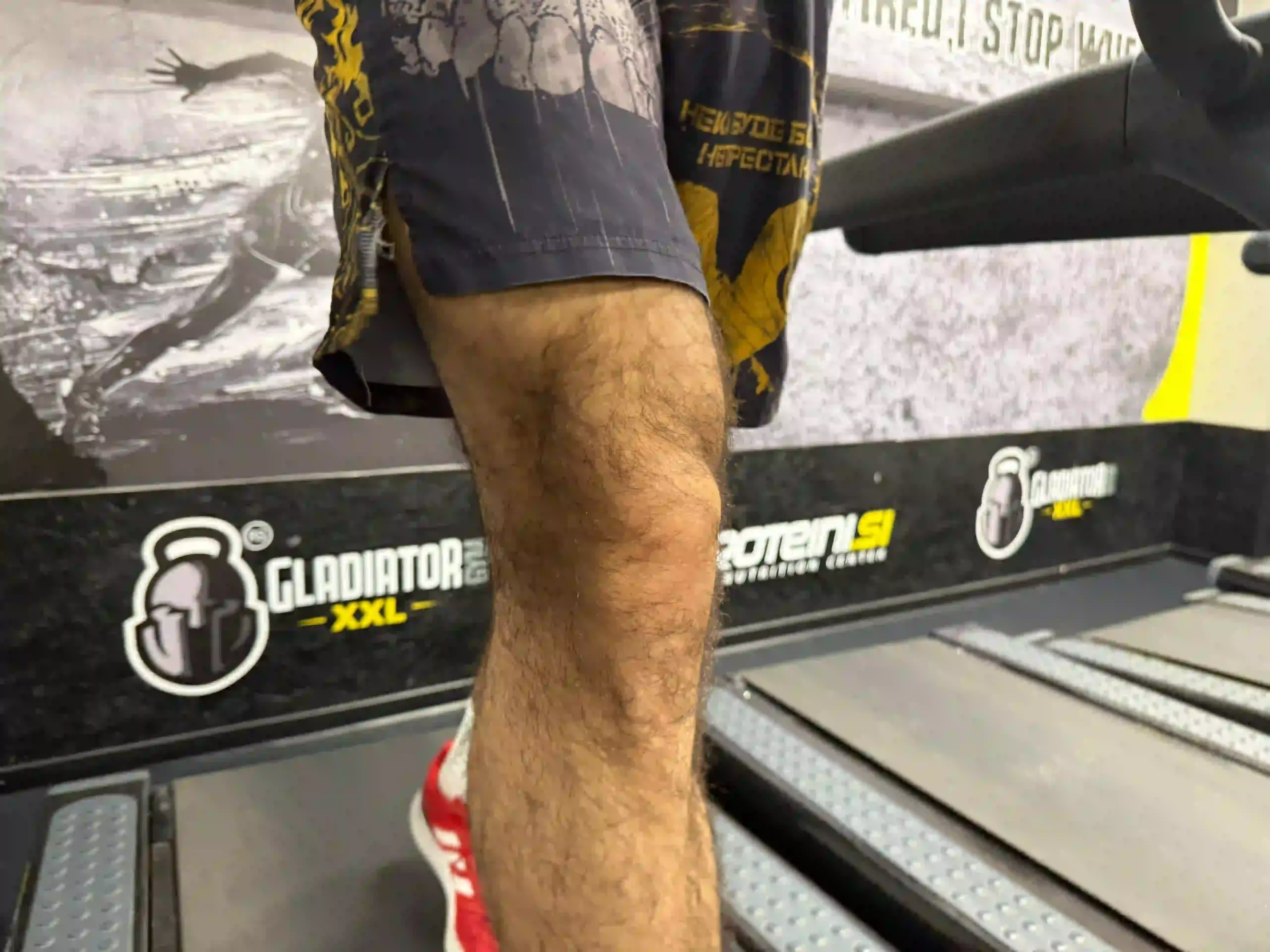
Patellofemoral pain syndrome (PFPS), commonly called runner's knee, affects millions of active individuals annually. Traditional forward walking and running can aggravate PFPS through repetitive patellofemoral compression, but backward walking alters these forces beneficially.
Research examining muscle activation in females with patellofemoral pain syndrome (PFPS) found backward walking significantly increased VMO activation while preserving the ideal VMO/vastus lateralis ratio (9). This balanced quadriceps activation helps maintain proper patellar tracking, addressing the biomechanical dysfunction underlying many PFPS cases.
The reduced patellofemoral compression during backward walking occurs because knee extension happens before rather than after ground contact. And because of this timing shift, force vectors through the joint change, decreasing stress on pain-sensitive anterior structures while maintaining beneficial muscle loading.
Knee osteoarthritis management
For individuals with knee osteoarthritis, backward walking offers a movement option that strengthens supporting muscles while reducing destructive joint forces. A randomized trial comparing backward walking to conventional physiotherapy for knee osteoarthritis found that the backward walking group experienced greater pain reduction and functional improvement.
The external knee adduction moment (EKAM), a key factor in osteoarthritis progression, decreases significantly during backward walking. This biomechanical change reduces compressive forces on the medial knee compartment, where osteoarthritic changes typically concentrate, which potentially slows disease progression while also improving symptoms.
Clinical trials demonstrate that six weeks of backward walking training (10 minutes per session, three times weekly) produces measurable improvements in pain, function, and quadriceps strength for osteoarthritis patients (10). These benefits exceed those achieved through standard walking programs, which highlights the advantages of backward walking for this population.
Benefits of walking backwards on treadmill for runners
Distance runners frequently develop overuse injuries from repetitive forward motion. Incorporating backward walking provides movement variation that maintains cardiovascular conditioning while reducing accumulated stress from identical movement patterns.
| Condition | Primary Benefits | Recommended Duration | Expected Timeline for Improvement |
|---|---|---|---|
| Knee Osteoarthritis | Reduced joint compression, pain relief | 10-15 min, 3x/week | 3-6 weeks |
| Patellofemoral Pain (Runner's Knee) | Improved VMO activation, reduced pain | 10-15 min, 4x/week | 2-4 weeks |
| Balance Deficits | Enhanced proprioception, fall prevention | 8-12 min, 3-4x/week | 4-6 weeks |
| Weight Loss Goals | 40% higher calorie burn | 15-20 min, 4-5x/week | Ongoing |
| Lower Back Pain | Strengthened spinal stabilizers | 10-15 min, 3x/week | 3-5 weeks |
| Cardiovascular Conditioning | Elevated heart rate response | 15-25 min, 3-5x/week | 4-8 weeks |
The altered muscle recruitment during backward walking activates posterior chain muscles differently, potentially addressing muscle imbalances that contribute to running injuries. Runners experiencing chronic Achilles issues, plantar fasciitis, or anterior shin splints often find backward walking allows continued training without aggravating existing inflammation.
Testing with competitive runners showed that replacing 15-20% of weekly easy mileage with backward walking sessions maintained aerobic fitness while reducing reported pain scores. The key involves viewing backward walking as active recovery rather than just rehabilitation, incorporating it proactively rather than reactively after injury develops.
How to Walk Backwards on Treadmill: Safety-First Protocols
Walking backwards on a treadmill requires methodical progression and attention to safety protocols. The movement pattern feels unnatural in the beginning, and inadequate preparation is a sure way to increase the risk of falls unnecessarily.
Initial setup and safety considerations
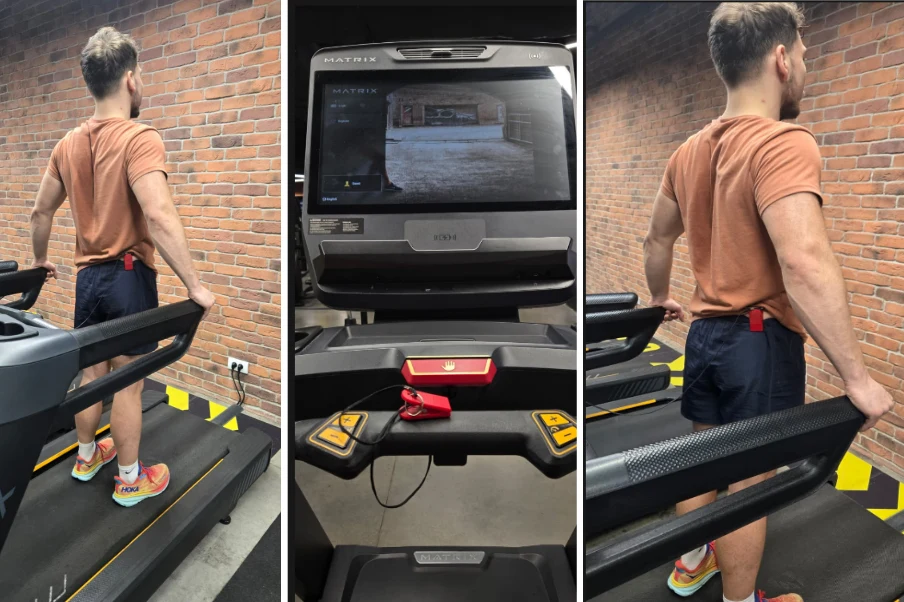
Start with the treadmill completely stopped. Familiarize yourself with emergency stop mechanisms and handrail positions before attempting any backward movement. The safety clip should attach to your clothing throughout backward walking sessions - know that this isn't optional equipment if you want to remain safe while exercising.
Position yourself facing away from the console with both hands on the handrails. Many modern smart treadmills include safety rails specifically designed for backward walking, which makes them ideal choices for this training method. Our best treadmill for home for small spaces guide highlights the top models built with these safety features. If using our recommended treadmills, the stability features are great for reducing fall risk during backward sessions.
Position yourself facing away from the console with both hands on the handrails. Many modern smart treadmills include safety rails specifically designed for backward walking, which makes them ideal choices for this training method. If using our recommended treadmills, the stability features significantly reduce fall risk during backward sessions.
Begin with the belt speed set to 0.5-1.0 MPH maximum. This speed feels absurdly slow but allows your nervous system to adapt to the unfamiliar movement pattern safely. Attempting faster speeds prematurely represents the primary mistake I observe during backward walking instruction.
| Safety Component | Required Action | Why It Matters |
|---|---|---|
| Emergency Stop Clip | Attach to clothing before starting | Automatically stops the belt if you fall or lose balance |
| Handrail Positioning | Maintain contact during the first 4-6 weeks | Prevents falls during the learning phase |
| Clear Surroundings | Remove obstacles within 6 feet | Prevents tripping hazards if you step off the belt |
| Speed Verification | Double-check the display before turning around | Ensures speed matches the intended setting |
| Footwear | Wear proper athletic shoes with grip | Reduces slipping risk on the moving belt |
Progressive training protocol
Week 1-2: Foundation Building
- Duration: 2-3 minutes per session
- Speed: 0.5-1.0 MPH (YES, this slow)
- Frequency: 2-3 sessions weekly
- Focus: Maintaining consistent foot placement and rhythm
Week 3-4: Duration Extension
- Duration: 5-7 minutes per session
- Speed: 1.0-1.5 MPH
- Frequency: 3-4 sessions weekly
- Focus: Reducing handrail dependence gradually
Week 5-6: Speed Development
- Duration: 8-10 minutes per session
- Speed: 1.5-2.0 MPH
- Frequency: 3-4 sessions weekly
- Focus: Maintaining control at elevated speeds
Week 7+: Advanced Training
- Duration: 10-15 minutes per session
- Speed: 2.0-2.5 MPH
- Frequency: 3-5 sessions weekly
- Focus: Incorporating incline variations
This progressive approach allows neuromuscular adaptation while minimizing injury risk. Rushing progression commonly results in minor stumbles that erode confidence and interrupt training consistency.
Optimal speed and duration guidelines
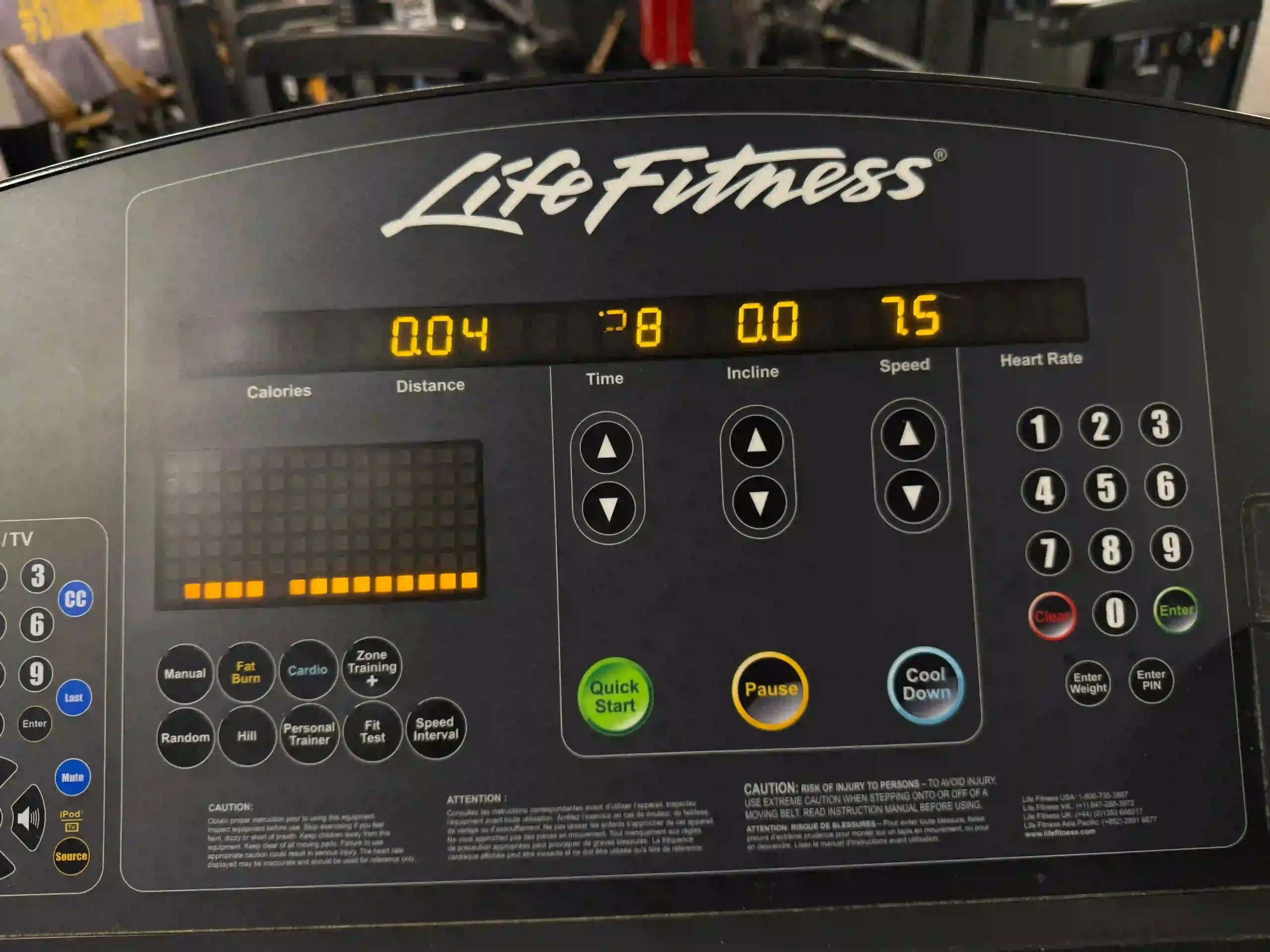
To answer that particular question, it’s paramount that we take a look at the research protocols that typically employ speeds between 1.5 and 2.5 MPH, though individual capacity varies considerably. The optimal speed allows smooth, controlled movement without forcing shortened steps or excessive handrail reliance.
How long to walk backwards on treadmill depends on your current training goals and fitness level. Research demonstrating significant benefits typically involved 10-30 minute sessions performed 3-5 times weekly. Starting conservatively with 5-minute sessions and adding 1-2 minutes weekly proves more sustainable than aggressive initial attempts.
During testing protocols with recreational exercisers, we found that 10-15 minute backward walking sessions provided optimal stimulus-to-fatigue ratio. Longer durations increased fall risk without proportional benefit increases, while shorter sessions proved insufficient for measurable adaptations.
Technique fundamentals
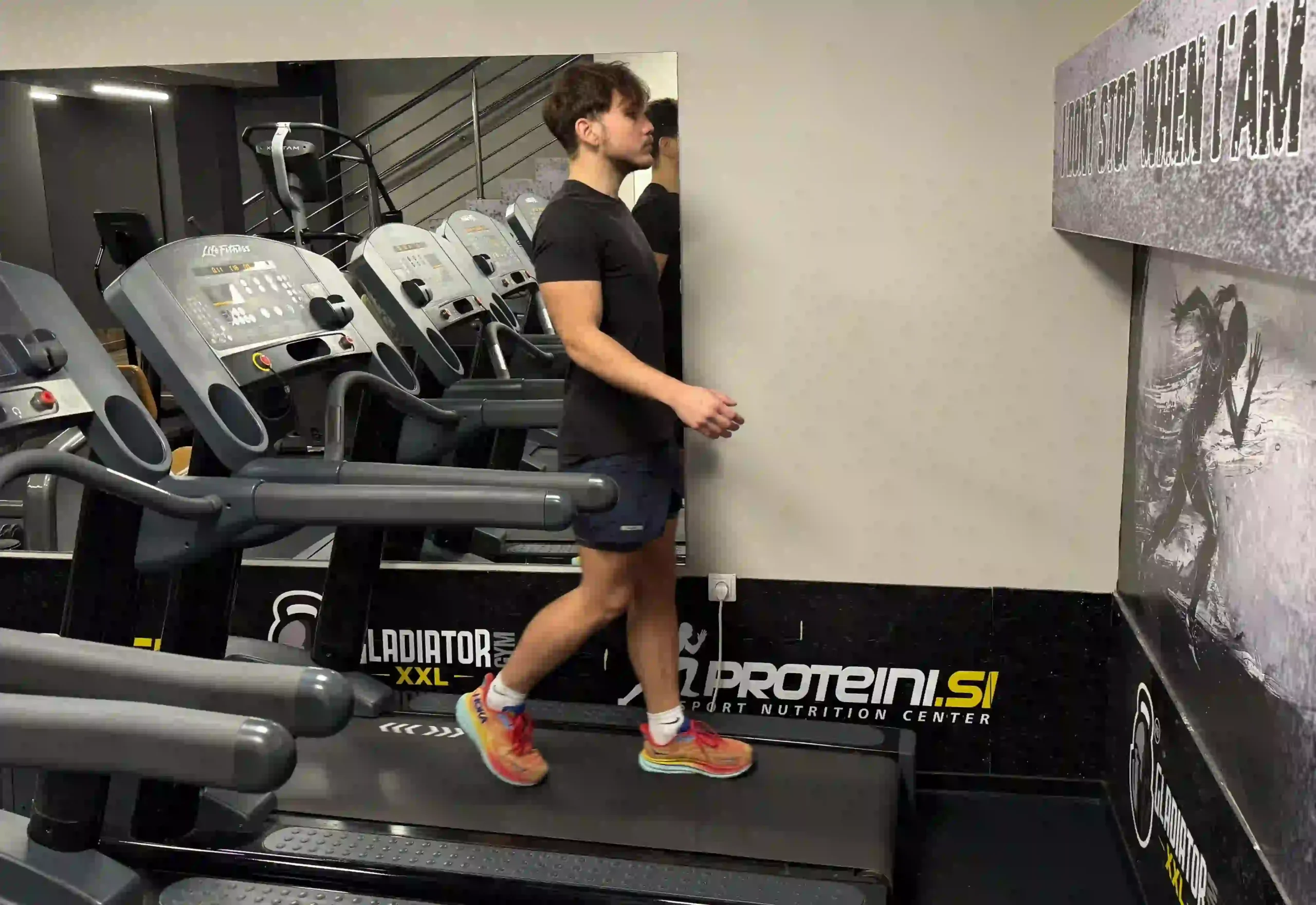
Proper backward walking technique emphasizes controlled movement rather than speed. Focus on:
Essential technique elements:
- Foot placement: Land on your forefoot first, rolling smoothly to heel contact (OPPOSITE of forward walking's heel-strike pattern)
- Stride length: Keep steps moderately short initially - overextending backward reaches increases instability and fall risk dramatically
- Posture: Maintain upright torso position with shoulders over hips (avoid leaning forward excessively)
- Arm position: Use handrails initially, but transition toward normal walking arm swing as balance improves
- Visual awareness: Glance backward periodically to maintain spatial orientation, but avoid constant head turning, which disrupts balance
Developing comfort with limited visual feedback represents a key training adaptation.
Natural stride develops with experience - make sure you don't force it during early sessions.
Walking Backwards on Treadmill Incline Benefits: Amplifying the Training Effect
The benefits of walking backwards uphill on treadmill compound significantly beyond flat backward walking. The combination creates genuinely challenging cardiovascular stimulus while maintaining low joint impact.
Metabolic amplification
Research shows backward walking at 5% grade reaches 8.0 METs - DOUBLE the metabolic demand of flat forward walking. This intensity level qualifies as vigorous physical activity and delivers high-intensity interval training benefits without running's repetitive impact stress.
Incline metabolic advantages:
- Flat backward walking: 6.0 METs (390-450 cal/hour)
- 5% incline backward walking: 8.0 METs (520-600 cal/hour)
- 8% incline backward walking: 9.0+ METs (650+ cal/hour)
- Equivalent to moderate jogging WITHOUT the joint stress
- Ideal for HIIT training in a low-impact format
The calorie burn during incline backward walking can reach 600-800 calories per hour for individuals weighing 150-200 pounds. This elevated expenditure makes incline backward walking particularly valuable for weight management goals when joint issues prevent running.
Testing various incline protocols revealed that 3-5% grades provide optimal challenge for most individuals. The best incline treadmill models offering 12-15% maximum grades provide sufficient range for long-term progression, though most backward walking training occurs at moderate 3-8% grades where technique remains manageable. Steeper inclines increase difficulty substantially but may compromise technique and increase fall risk unnecessarily for general fitness applications.
Quadriceps and glute activation
Incline backward walking forces dramatically increased quadriceps and gluteal muscle recruitment. The uphill angle requires greater hip extension and knee control, which results in a strength training stimulus that’s beyond flat backward walking.
Electromyography data shows approximately 30-40% higher quadriceps activation during 5% incline backward walking compared to flat backward movement. This increased muscle demand contributes to both strength development and elevated metabolic expenditure.
The gluteal activation during incline backward walking proves particularly valuable for addressing common muscle imbalances. Modern sedentary lifestyles often create weak, under-recruited glutes that contribute to lower back pain and movement dysfunction. Incline backward walking provides targeted strengthening, but it’s still preferable to include dedicated resistance training sessions throughout the week for even more health benefits.
Cardiovascular challenge without joint impact
The cardiovascular demand during incline backward walking rivals moderate-intensity running while maintaining walking's low-impact characteristics. Heart rate typically reaches 70-85% of maximum during sustained incline backward sessions, which creates genuine aerobic training stimulus.
For individuals transitioning from purely walking-based exercise toward higher intensities, incline backward walking is a solid intermediate step for all intents and purposes. The cardiovascular challenge exceeds flat walking considerably while remaining more approachable than running for many populations.
Progressive incline protocols prove effective for cardiovascular development. Starting with 2-3% grades and increasing 1% every 1-2 weeks allows systematic adaptation. Most individuals find 5-8% grades provide sustainable long-term challenge without excessive difficulty.
Benefits of Walking Sideways on Treadmill: Expanding Movement Variation
While walking backwards delivers specific benefits, sideways walking (lateral movement) provides complementary advantages worth incorporating into comprehensive training programs.
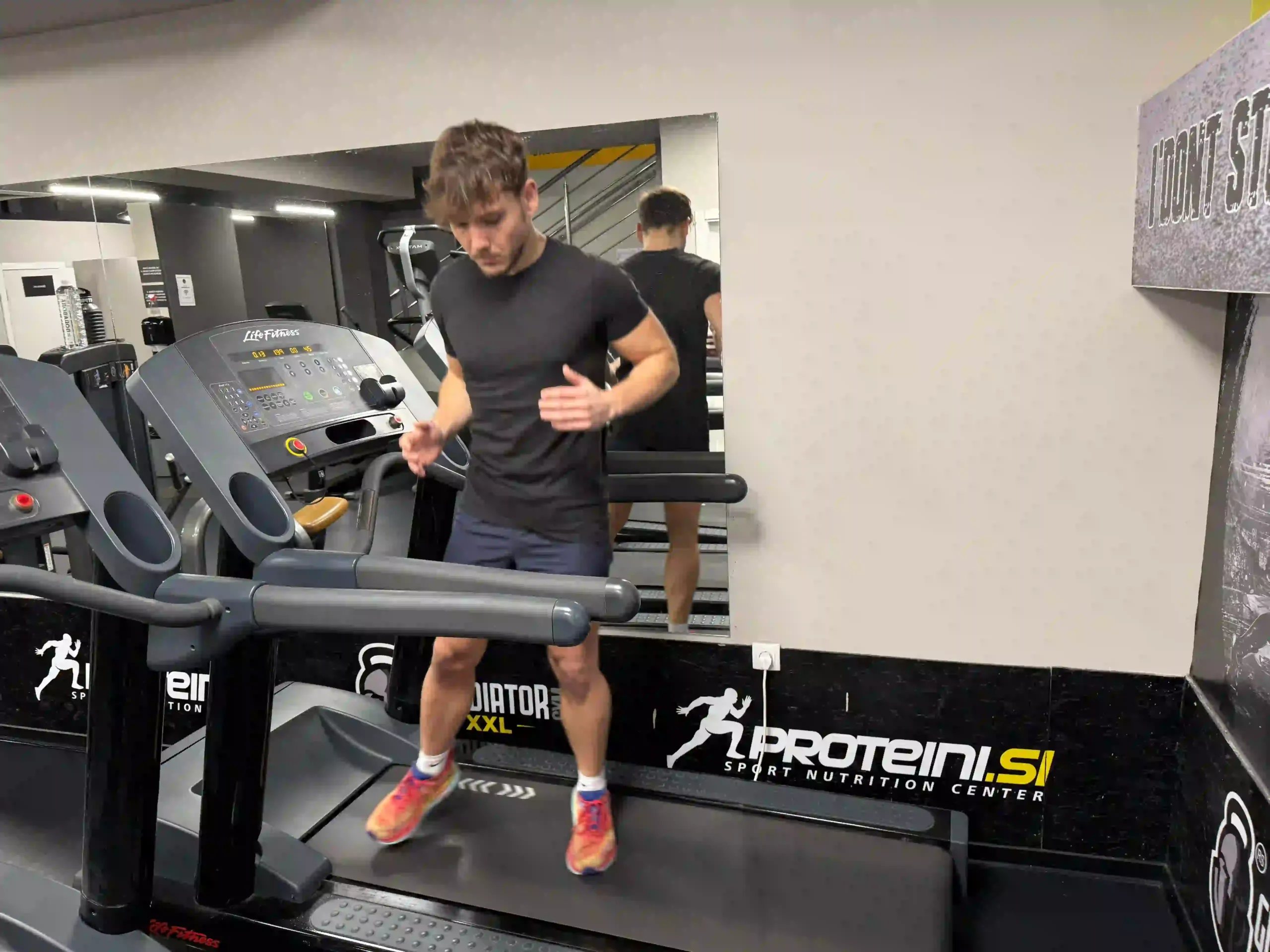
Hip abductor strengthening
Sideways walking targets the hip abductor muscles - gluteus medius and minimus - that rarely receive sufficient stimulus during forward-only movement. These muscles prove crucial for knee stability, pelvic control, and injury prevention.
Weak hip abductors contribute to various lower extremity problems, including iliotibial band syndrome, patellofemoral pain, and chronic ankle instability. Sideways walking provides functional strengthening that transfers to improved movement quality across multiple activities.
Testing lateral walking protocols showed measurable gluteus medius activation increases compared to forward walking. The movement pattern forces sustained hip abduction, which results in a training stimulus that’s very difficult to replicate through conventional exercises.
Balance and stability enhancement
The unfamiliar movement pattern during sideways walking challenges balance systems through different planes of motion than backward walking. This multi-directional training improves overall stability and reduces fall risk more comprehensively than single-plane training.
Combining backward and sideways walking creates varied proprioceptive stimulus that strengthens neuromuscular control broadly. Alternating between movement patterns within single sessions maximizes training diversity while maintaining a manageable duration of your session.
What Are the Disadvantages of Walking Backwards: Honest Risk Assessment
Walking backwards isn't risk-free, and an honest evaluation of potential disadvantages allows you to perform informed decision-making about incorporating this training method into your weekly routine.
Fall risk and safety concerns
The primary disadvantage of walking backwards involves elevated fall risk compared to forward walking. Limited visual feedback makes obstacle avoidance impossible, and the unfamiliar movement pattern increases stumble probability, particularly during initial learning phases.
Critical safety considerations:
- Falls are documented even WITH professional supervision
- Hip fractures reported in elderly populations during training
- Spatial disorientation increases on moving treadmill belts
- Balance disorders create ELEVATED risk
- Neurological conditions require medical clearance
Research documenting backward walking injuries includes cases of hip fractures and exacerbated conditions following falls during training (11). These incidents occurred despite supervision, highlighting genuine safety considerations that proper protocols must address.
Treadmill backward walking presents specific hazards. The moving belt creates additional complexity, and spatial disorientation can occur more easily than during overground backward walking. Individuals with balance disorders, vestibular dysfunction, or neurological conditions face an elevated risk requiring medical clearance before attempting backward walking.
Limited practical transfer
Backward walking strengthens specific movement patterns but doesn't directly improve sport-specific skills for most activities. While balance and proprioception improvements transfer broadly, the movement itself rarely appears outside controlled training environments.
This limited practical application means backward walking functions primarily as a training tool rather than functional movement preparation for most individuals. The benefits justify inclusion in comprehensive programs, but backward walking shouldn't displace forward locomotion or sport-specific training.
Increased concentration requirements
Backward walking demands sustained mental focus that some individuals find fatiguing or unenjoyable. The inability to multitask during backward sessions - no reading, watching television, or easy conversation - makes the activity less suitable for those who prefer mentally passive exercise.
This concentration requirement can actually benefit individuals seeking mindful movement practice, but it represents a genuine disadvantage for those viewing treadmill workouts as opportunities for simultaneous entertainment or work.
Not suitable for all populations
Certain populations should avoid backward walking or pursue it only under direct professional supervision:
Absolute contraindications:
- Severe balance disorders
- Acute vestibular dysfunction
- Uncontrolled neurological conditions
- Recent lower extremity surgery (without medical clearance)
Relative contraindications requiring medical consultation:
- Moderate-to-severe osteoarthritis with instability
- History of frequent falls
- Significant visual impairment
- Cardiovascular conditions limiting exertion
The benefits of walking backwards on treadmill prove substantial for appropriate candidates, but individual assessment remains essential for safe implementation.
Is Walking on the Treadmill Good for Losing Weight: Comparing Forward and Backward Methods
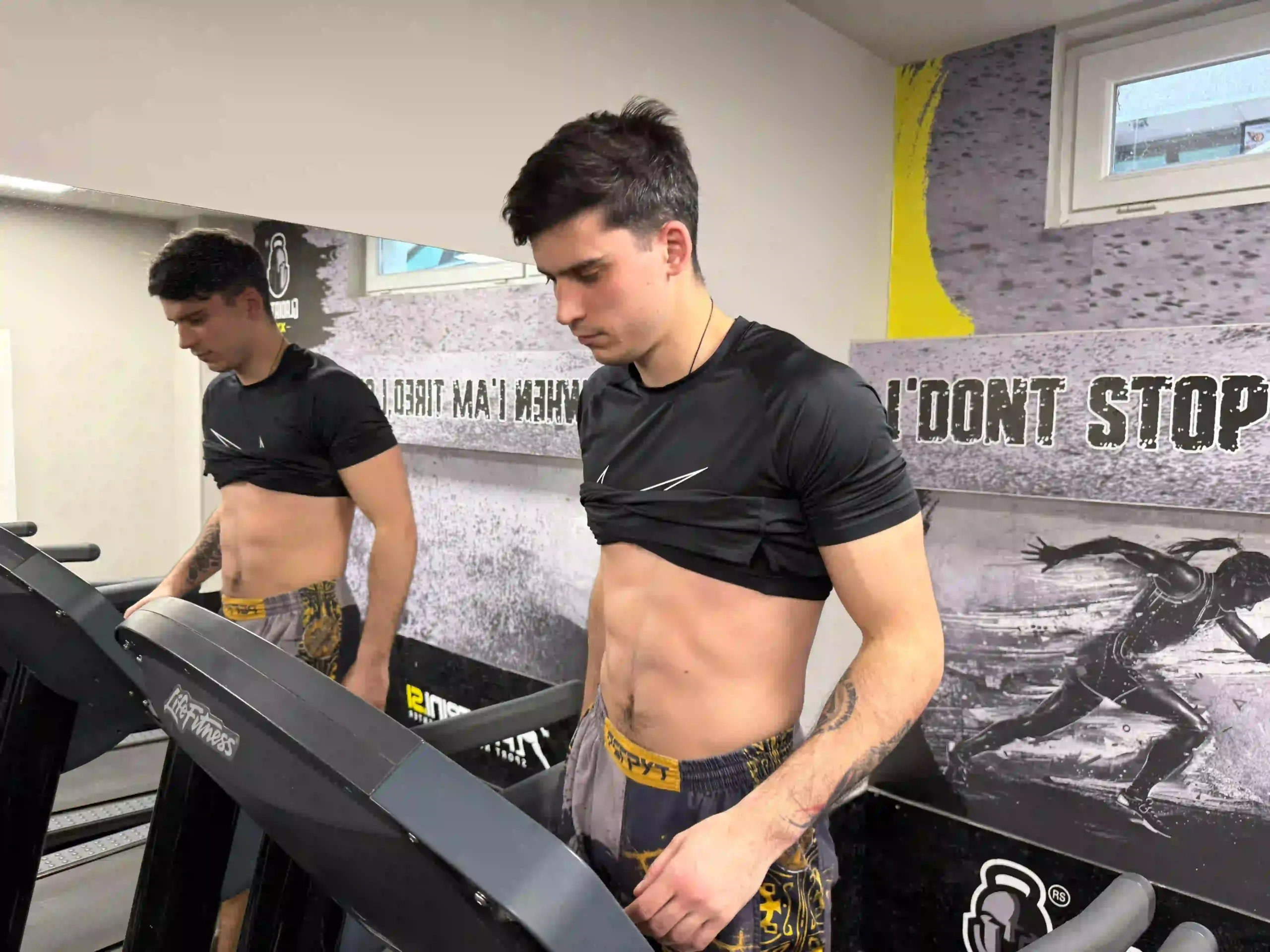
Treadmill walking supports weight loss goals through sustainable calorie expenditure, and if you are new to treadmill training, our guide to treadmill benefits covers the full scope of what consistent treadmill use can do for your health. Backward walking amplifies these weight loss effects through increased metabolic demand.
Caloric expenditure comparison
Forward walking at a moderate pace (3.5 MPH) burns approximately 250-350 calories per hour for individuals weighing 150-180 pounds. Backward walking at an identical speed increases expenditure to 350-490 calories hourly - a 40% improvement that compounds significantly over weekly training volumes.
The enhanced calorie burn during backward walking stems from greater muscle recruitment and cardiovascular demand rather than increased ground coverage. This makes backward walking particularly valuable for individuals with time constraints seeking maximum calorie expenditure per minute invested.
Research shows that treadmill walking integrated with appropriate nutrition strategies effectively supports weight loss goals. Our main treadmill weight loss tips article covers exactly how to structure this for consistent results. The sustainability of walking-based programs typically exceeds higher-intensity alternatives, leading to better long-term adherence and success rates.
Combining forward and backward intervals creates varied stimulus while maintaining elevated average intensity. A typical 30-minute treadmill workout alternating 3-minute forward and 2-minute backward intervals burns approximately 15-20% more calories than continuous forward walking at matched average speed.
Metabolic adaptations
Regular treadmill training - whether forward or backward - improves metabolic efficiency through multiple mechanisms. Increased lean muscle mass elevates resting metabolic rate, improving 24-hour calorie expenditure beyond exercise session contributions alone.
Backward walking's enhanced quadriceps activation may provide slight advantages for muscle development compared to forward-only walking. The increased muscle recruitment creates a greater training stimulus that supports lean mass maintenance during weight loss efforts.
Research shows that treadmill walking integrated with appropriate nutrition strategies effectively supports weight loss goals. The sustainability of walking-based programs typically exceeds higher-intensity alternatives, leading to better long-term adherence and success rates.
Integration with smart treadmills
Modern smart treadmills enhance weight loss efforts through guided workouts, automatic incline adjustments, and performance tracking. Features like heart rate monitoring allow precise intensity management, while built-in programs create structured progression that maintains motivation.
Our testing shows that the maintenance of a home treadmill significantly impacts workout consistency. Reliable equipment with responsive controls makes backward walking safer and considerably more enjoyable, which results in an increased adherence rates that ultimately determine weight loss success.
Integrating Backward Walking Into Your Treadmill Workout Routine
Successful backward walking integration requires thoughtful programming that balances benefits with practical constraints and safety considerations.
Sample training protocols
Beginner Protocol (Weeks 1-4):
- Warm-up: 5 minutes forward walking (2.5-3.0 MPH)
- Main set: 2 minutes backward (1.0 MPH), 3 minutes forward (2.5 MPH) x 3 rounds
- Cool-down: 5 minutes forward walking (2.0-2.5 MPH)
- Total duration: 25 minutes
- Frequency: 3 sessions weekly
Intermediate Protocol (Weeks 5-8):
- Warm-up: 5 minutes forward walking (3.0-3.5 MPH)
- Main set: 3 minutes backward (1.5 MPH), 2 minutes forward (3.0 MPH) x 4 rounds
- Cool-down: 5 minutes forward walking (2.5 MPH)
- Total duration: 30 minutes
- Frequency: 4 sessions weekly
Advanced Protocol (Weeks 9+):
- Warm-up: 5 minutes forward walking (3.5 MPH)
- Main set: 4 minutes backward with incline (2.0 MPH, 3-5% grade), 1 minute forward recovery x 5 rounds
- Cool-down: 5 minutes forward walking (2.5-3.0 MPH)
- Total duration: 35 minutes
- Frequency: 4-5 sessions weekly
Monitoring progress and adjusting training
Track subjective difficulty ratings for backward walking segments using perceived exertion scales. Consistent sessions at RPE 6-7 (moderately hard) indicate appropriate intensity for cardiovascular benefits without excessive fatigue.
Objective metrics worth monitoring include:
- Distance covered during the standardized backward walking duration
- Heart rate response during fixed backward walking intensity
- Handrail dependence reduction over time
- Maximum comfortable backward walking speed
Progressive overload in backward walking comes primarily through duration extension rather than dramatic speed increases. Adding 1-2 minutes per session weekly provides sustainable progression for most individuals.
Successful backward walking integration requires thoughtful programming. If you do not yet have a structured routine to build on, our main treadmill workout guide is the right place to start before layering in backward walking intervals. The goal is to balance benefits with practical constraints and safety considerations.
Connecting Backward Walking Benefits to Equipment Selection
The treadmill quality significantly impacts backward walking safety and effectiveness. Specific features prove particularly valuable for backward training applications.
Essential safety features
Sturdy handrails positioned for a backward grip prove essential for safe training. Rails should extend sufficiently far forward to allow stable hand placement while maintaining natural posture. Some of our top-rated treadmills for home include extended handrails specifically designed for backward walking safety.
Emergency stop mechanisms accessible during backward movement prevent the most serious fall consequences. Magnetic safety clips that detach during unexpected belt separation provide crucial protection when you can't see approaching danger.
Belt width influences backward walking confidence significantly. Wider running surfaces (20-22 inches) reduce anxiety about lateral drift that commonly occurs during backward movement. The added width proves particularly valuable during learning phases when movement control remains imperfect.
Motor and belt considerations
Smooth, consistent belt speed proves more important for backward walking than forward movement. Motor quality directly impacts belt stability, with commercial-grade motors maintaining steadier speeds under variable loading.
The best treadmill for home for the purposes of doing backward walking as an exercise typically includes motors rated 3.0+ continuous horsepower. This power reserve ensures consistent belt speed even when backward walking creates unusual loading patterns.
Belt cushioning systems impact joint stress during backward walking similarly to forward movement. Multi-zone cushioning that adjusts firmness across the belt length can optimize comfort for both movement patterns within single machines.
Making Backward Walking Work Long-Term
Sustainable backward walking integration requires realistic expectations, progressive implementation, and attention to the factors that support long-term adherence.
Overcoming initial awkwardness
The unfamiliar feeling during initial backward walking attempts discourages many people before they experience meaningful benefits. Recognize that movement awkwardness resolves within 2-3 weeks of consistent practice for most individuals.
Short, frequent sessions prove more effective than occasional longer attempts for developing backward walking competency. The best under desk treadmill models excel for backward walking practice because their compact size and slow speed ranges (typically 0.5-4 MPH) align perfectly with safe backward walking protocols, though you'll need dedicated practice time since backward movement demands full concentration unlike forward walking.
And you should also be aware that only five minutes daily (day is the “mother” of consistency, or vice versa, depending how you look at it) beats weekly 20-minute sessions for skill acquisition and confidence development.
Focusing on small improvements rather than comparing backward to forward capabilities maintains motivation during the learning curve. Celebrating duration extensions, reduced handrail dependence, or improved movement smoothness reinforces continued practice.
Balancing variation with specificity
While backward walking provides valuable training stimulus, it supplements rather than replaces forward movement and sport-specific training. Dedicating 15-25% of total treadmill time to backward walking creates beneficial variety without compromising forward movement competency.
Athletes training for specific events should view backward walking as active recovery or supplementary conditioning rather than primary training. The movement pattern differences mean backward walking rarely provides direct performance transfer to running or sport skills.
For general fitness populations, the walking backwards exercise benefits serve multiple roles simultaneously – cardiovascular conditioning, strength development, balance training, and injury prevention. All things considered, this multifaceted utility is enough to justify regular inclusion in comprehensive training programs.
Addressing treadmill assembly and maintenance for optimal performance
Proper treadmill assembly ensures the stable platform necessary for safe backward walking.
Proper treadmill assembly ensures the stable platform necessary for safe backward walking. Follow our main treadmill assembly steps to get it right from the start. Belt tracking proves particularly important as misaligned belts create lateral drift that unnecessarily makes the backward movement harder to execute.
Regular treadmill maintenance preserves the smooth, consistent operation that backward walking demands. Belt lubrication, roller inspection, and motor care prevent the performance degradation that increases fall risk during backward training.
Pro Tip: If you are considering relocating your treadmill, follow our main steps to disassemble a treadmill the easy way to avoid compromising belt alignment in the process. Maintaining backward walking capability should influence your overall reassembly priorities. Ensure proper belt alignment and tension during reassembly to resume safe backward training after moves.
And in Case You Want to Choose the RIGHT Treadmill for Backward Walking..
Know that NOT all treadmills support safe backward walking. The equipment you choose directly impacts your safety and results. After extensive testing, these models excel for backward training:
- For most home users: The Horizon T202 combines essential safety features with reliable performance. The EasyDial controls allow smooth speed adjustments without fumbling, the 60-inch belt provides comfortable backward stride space, and the lifetime motor warranty ensures long-term dependability. The 12% incline capability makes this ideal for progressive backward walking training.
- For serious athletes: The NordicTrack Commercial 1750 offers commercial-grade durability with its 4.25 HP motor and decline functionality. The 22-inch belt width provides confidence-inspiring space for backward movement, while the pivoting touchscreen supports off-treadmill training between backward walking sessions.
- For budget-conscious walkers: The Sperax Walking Pad delivers remarkable value with its 350-pound capacity and whisper-quiet operation. At just 22 pounds, this genuinely portable option works for backward walking practice in ANY space, and the vibration massage mode provides recovery benefits after training sessions.
Smart treadmills with advanced safety features, responsive speed controls, and proper dimensions make backward walking training more accessible and effective than ever. So, your goal should be to combine quality equipment and progressive training protocols to allow for the safe implementation of this valuable training method.
It is also true for certain home gym owners that space constraints often determine the equipment they select for their unique home gym setup. In that case, our best folding treadmill comparison is worth reading. Today's top folding models now include sufficient belt length (55+ inches) and sturdy frames that support backward walking safety, though non-folding models typically offer superior stability during backward movement due to wider bases and heavier construction.
FAQs
Does walking backwards on a treadmill do anything?
Yes, walking backwards on a treadmill does substantial things for your fitness and research shows it burns 40% more calories than forward walking, strengthens quadriceps by 1.22 standard deviation units, reduces knee pain significantly, and improves balance through enhanced proprioceptive awareness. Clinical trials demonstrate measurable improvements in pain, strength, and cardiovascular fitness within 2-6 weeks when practicing 10-15 minute backward walking sessions three times weekly.
Is walking backwards better for your knees?
Yes, walking backwards is better for your knees because of the altered biomechanics that reduce patellofemoral compression forces and external knee adduction moment compared to forward walking. Clinical trials demonstrate measurable pain reduction and functional improvement for individuals with knee osteoarthritis and patellofemoral pain syndrome after incorporating backward walking training.
How many minutes a day should you walk backwards?
You should walk backwards 10 to 20 minutes a day based on research protocols demonstrating significant benefits in balance, strength, and pain relief. Beginners should start with 2-3 minutes per session and gradually increase by 1-2 minutes weekly, while experienced practitioners can sustain 15-20 minutes of continuous backward walking.
What are the disadvantages of walking backwards?
The disadvantages of walking backwards are increased fall risk due to limited visual feedback, elevated concentration requirements that prevent “multitasking”, and potential unsuitability for individuals with balance disorders or neurological conditions. The unfamiliar movement pattern creates a higher stumble probability compared to forward walking, particularly during initial learning phases when spatial disorientation occurs most frequently.
What speed should I walk backwards on a treadmill?
The ideal speed you should walk backwards on a treadmill ranges from 1.5 to 2.5 MPH for most individuals once competency develops, though beginners should start at 0.5-1.0 MPH. The optimal speed allows smooth, controlled movement without forcing shortened steps or excessive handrail reliance, rather than maximizing velocity.
How long should I walk on a treadmill to see results?
You should walk on a treadmill for 10-30 minutes per session, 3-5 times weekly to see measurable results, with the specific timeline depending on your goals as weight loss shows ongoing progress with consistent 15-20 minute sessions, while balance improvements appear within 4 weeks and knee pain reduction occurs in 2-3 weeks. Research protocols demonstrating significant benefits in cardiovascular fitness, strength gains, and pain relief typically involved this duration range, though beginners should start conservatively with 5-minute sessions and add 1-2 minutes weekly for sustainable progression.
What muscles do the reverse treadmill work?
Reverse treadmill walking primarily works the quadriceps muscles, gluteal muscles, hip flexors, hamstrings, and calf muscles through different activation patterns than forward walking. Research using electromyography demonstrates significantly higher vastus medialis oblique and vastus lateralis activation during backward walking, while gluteal muscles show increased recruitment compared to forward movement.
How to tone your bum on a treadmill?
To tone your bum on a treadmill, incorporate backward walking with 3-5% incline for 10-15 minutes per session, which forces dramatically increased gluteal muscle recruitment through greater hip extension demands compared to forward walking. Electromyography data shows that incline backward walking activates glutes 30-40% more than flat forward movement, though combining this with dedicated resistance training throughout the week provides optimal results for comprehensive glute development.
References:
- Aysha T, Zaki S, Alam MF, et al. Effectiveness of backward gait training on body composition, cardiopulmonary fitness, inflammation, and metabolic marker in adults: A systematic review and meta-analysis. Int J Crit Illn Inj Sci. 2024;14(2):101-111. doi:10.4103/ijciis.ijciis_74_23
- Ehlen KA, Reiser RF 2nd, Browning RC. Energetics and biomechanics of inclined treadmill walking in obese adults. Med Sci Sports Exerc. 2011;43(7):1251-1259. doi:10.1249/MSS.0b013e3182098a6c
- Balasukumaran T, Olivier B, Ntsiea MV. The effectiveness of backward walking as a treatment for people with gait impairments: a systematic review and meta-analysis. Clin Rehabil. 2019;33(2):171-182. doi:10.1177/0269215518801430
- Cha HG, Kim TH, Kim MK. Therapeutic efficacy of walking backward and forward on a slope in normal adults. J Phys Ther Sci. 2016;28(6):1901-1903. doi:10.1589/jpts.28.1901
- Wang J, Xu J, An R. Effectiveness of backward walking training on balance performance: A systematic review and meta-analysis. Gait Posture. 2019;68:466-475. doi:10.1016/j.gaitpost.2019.01.002
- Chang KW, Lin CM, Yen CW, Yang CC, Tanaka T, Guo LY. The Effect of Walking Backward on a Treadmill on Balance, Speed of Walking and Cardiopulmonary Fitness for Patients with Chronic Stroke: A Pilot Study. Int J Environ Res Public Health. 2021;18(5):2376. Published 2021 Mar 1. doi:10.3390/ijerph18052376
- Wen H, Wang M. Backward Walking Training Impacts Positive Effect on Improving Walking Capacity after Stroke: A Meta-Analysis. Int J Environ Res Public Health. 2022;19(6):3370. Published 2022 Mar 12. doi:10.3390/ijerph19063370
- Menezes KKP, Avelino PR, Nascimento LR. Addition of backward walking training to forward walking training improves walking speed in children with cerebral palsy: a systematic review with meta-analysis. Int J Rehabil Res. 2023;46(4):300-307. doi:10.1097/MRR.0000000000000598
- Abdelraouf OR, Abdel-Aziem AA, Ahmed AA, Nassif NS, Matar AG. Backward walking alters vastus medialis oblique/vastus lateralis muscle activity ratio in females with patellofemoral pain syndrome. Turk J Phys Med Rehabil. 2019;65(2):169-176. Published 2019 Apr 25. doi:10.5606/tftrd.2019.2445
- Alghadir AH, Anwer S, Sarkar B, Paul AK, Anwar D. Effect of 6-week retro or forward walking program on pain, functional disability, quadriceps muscle strength, and performance in individuals with knee osteoarthritis: a randomized controlled trial (retro-walking trial). BMC Musculoskelet Disord. 2019;20(1):159. doi:10.1186/s12891-019-2537-9
- Yang YR, Yen JG, Wang RY, Yen LL, Lieu FK. Gait outcomes after additional backward walking training in patients with stroke: a randomized controlled trial. Clin Rehabil. 2005;19(3):264-273. doi:10.1191/0269215505cr860oa