
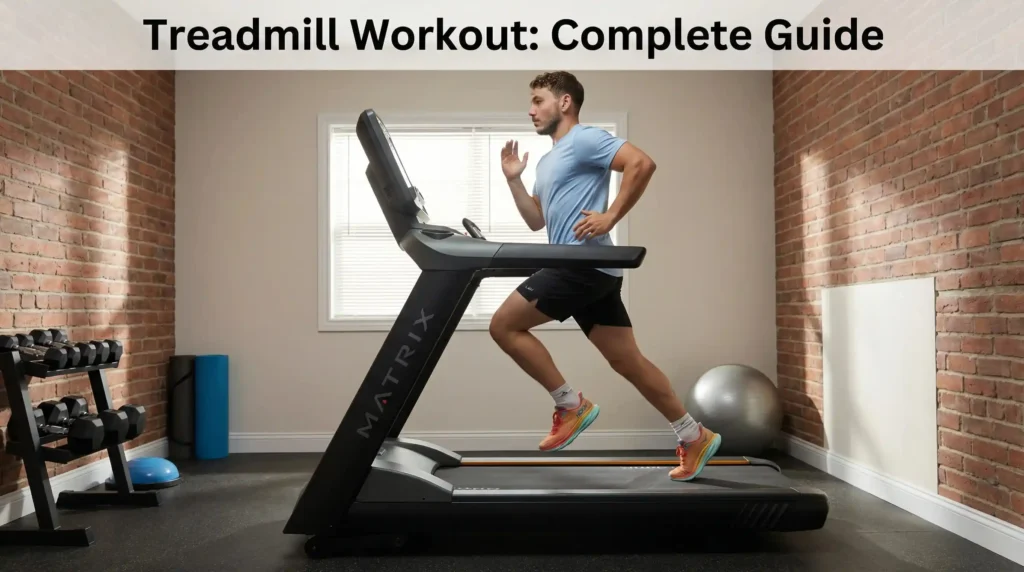
Treadmill workouts transform your fitness routine when you understand how to leverage speed, incline, and interval training for measurable results. Over the past 15 years working with athletes and everyday fitness enthusiasts, I've seen hundreds of people struggle with treadmill monotony before discovering structured programs that actually deliver. The difference between spinning your wheels and building real cardiovascular strength comes down to strategic programming.

This guide breaks down everything from beginner-friendly walking protocols to advanced HIIT sessions, complete with the science that explains why these methods work.
Treadmill Workout Fundamentals: What Makes Them Effective
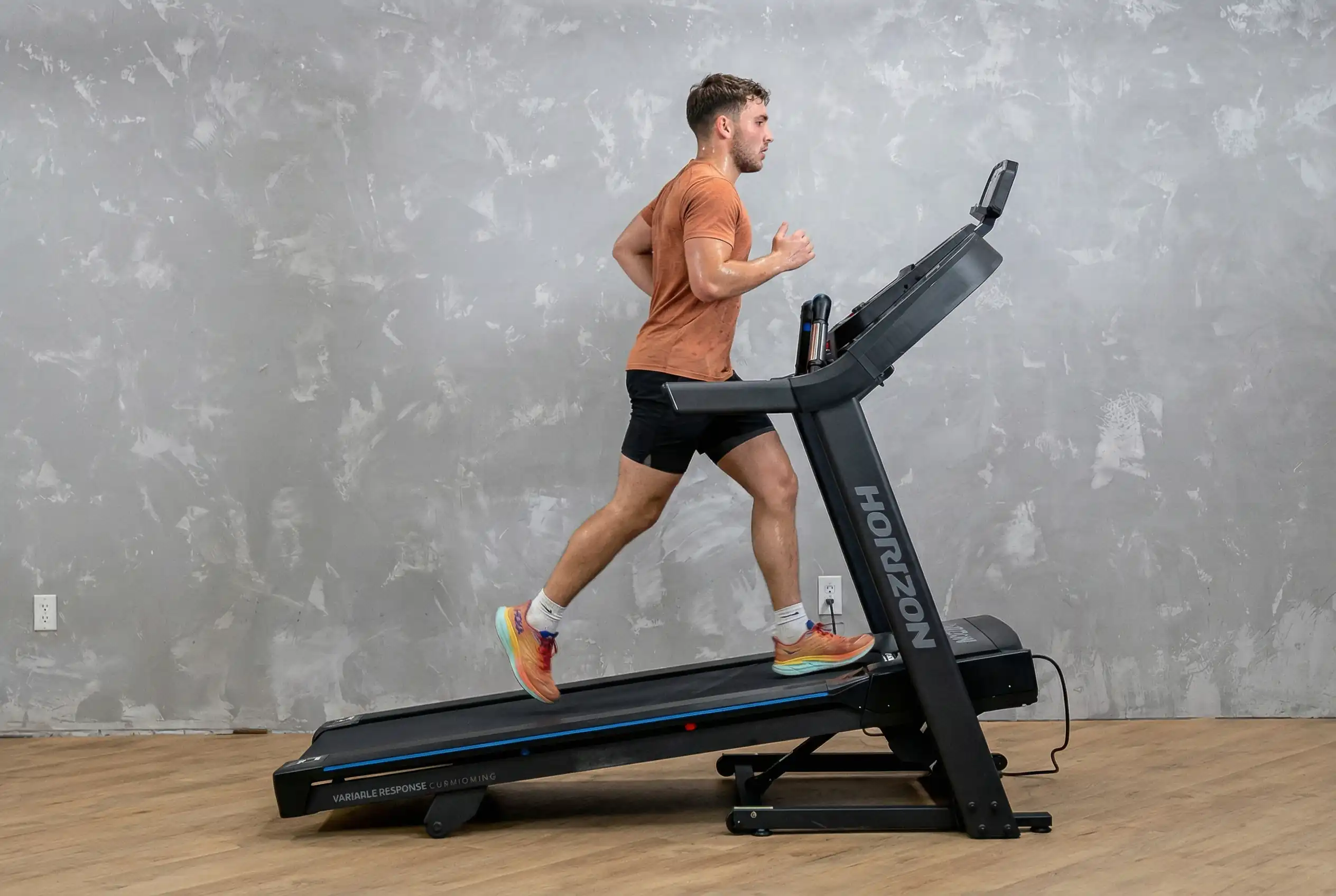
Walking or running on a treadmill offers controlled conditions that outdoor training can't match. You dictate exact speed, precise incline percentages, and consistent pacing regardless of weather or terrain challenges.
If you want to compare speed and incline specs before choosing equipment, our current treadmill lineup lists every model we carry.
The cardiovascular benefits start immediately.
Research shows that high-intensity interval training significantly improves vascular function, with reductions in both systolic and diastolic blood pressure alongside enhanced blood flow (1). These improvements occur through increased cardiac output and better heart rate variability.
Key advantages of treadmill exercise include:
Precise control over workout variables (speed, incline, duration)
Reduced joint impact compared to concrete or asphalt surfaces
Consistent pacing that prevents the common beginner mistake of starting too fast
Real-time performance data for tracking progress
Weather-independent training availability
Safety features like emergency stop mechanisms
During my testing of various treadmill models for TechFitnessLab, I consistently observe how the cushioned belt surface reduces stress on knees and ankles. This becomes crucial for anyone recovering from injury or carrying extra weight.
If you are still deciding which machine to invest in before diving into structured programming, our top rated treadmill for home workouts guide covers the best models tested across motor reliability, cushioning quality, and long-term durability. The metabolic demands vary dramatically based on your approach. Walking at 3.5 mph burns approximately 314 calories per hour for a 155-pound person, while running at 8 mph can torch around 920 calories in the same timeframe.
Types of Treadmill Workouts for Different Goals
Here are the different types of treadmill workouts based on your unique fitness goals.
HIIT on treadmill workout: maximum results in minimum time
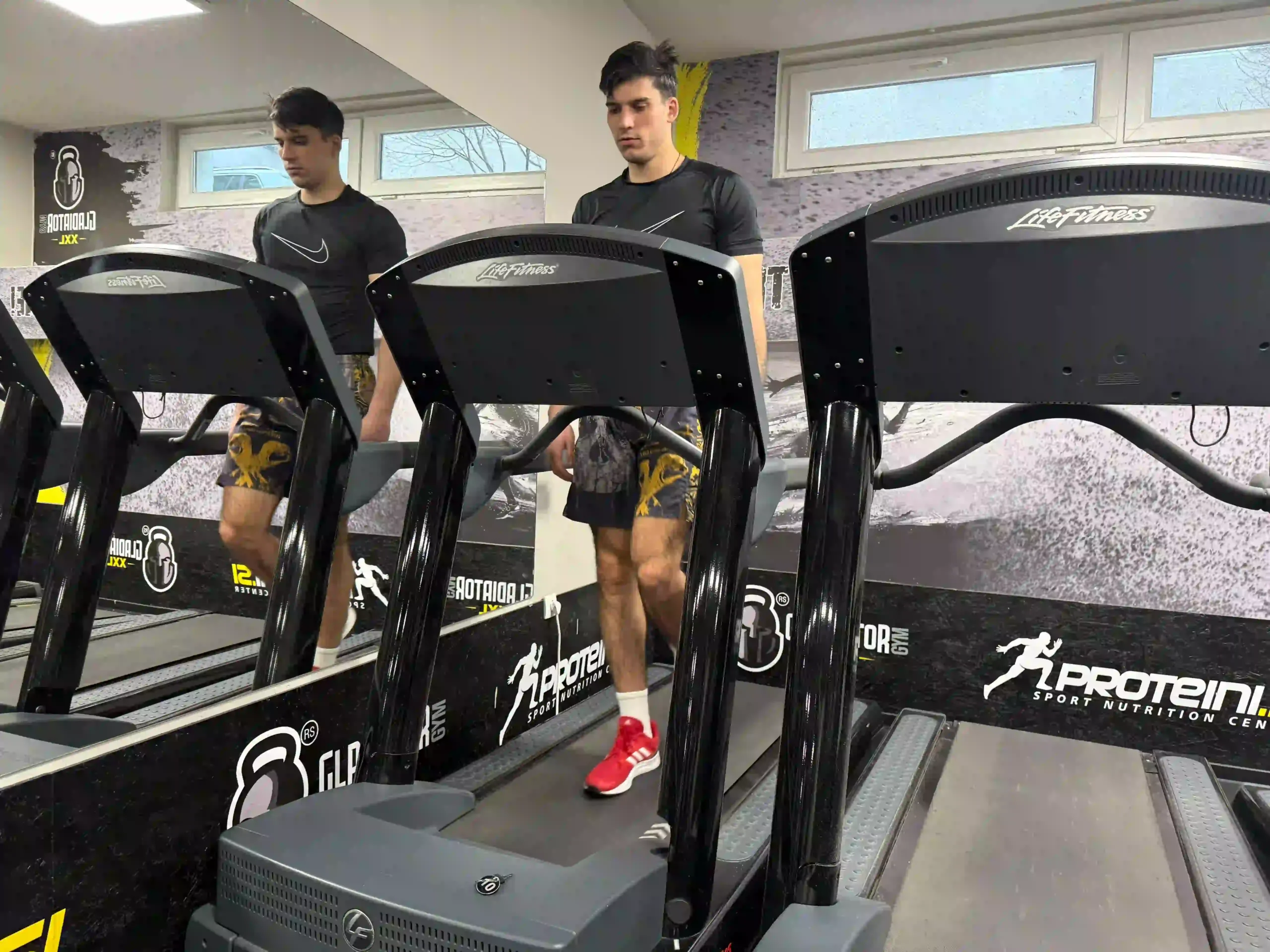
High-intensity interval training alternates between near-maximal effort and active recovery periods. A properly structured HIIT treadmill workout delivers superior cardiovascular adaptations compared to steady-state cardio.
Studies demonstrate that HIIT produces significant improvements in 14 clinically relevant cardiometabolic health parameters, including peak aerobic capacity increases of 3.895 ml/min/kg (2). The protocol also reduces body mass index, waist circumference, and body fat percentage while improving insulin sensitivity.
Sample HIIT treadmill workout:
| Phase | Duration | Speed | Incline | Intensity |
|---|---|---|---|---|
| Warm-up | 5 min | 3-4 mph | 0% | Easy |
| Sprint | 30 sec | 9-10 mph | 0-1% | Maximum |
| Recovery | 90 sec | 3-4 mph | 0% | Light |
| Repeat | 8-10 rounds | - | - | - |
| Cool-down | 5 min | 2-3 mph | 0% | Easy |
The afterburn effect (excess post-exercise oxygen consumption or EPOC) extends calorie burning well beyond your workout completion. Research indicates that EPOC from high-intensity interval exercise averages around 136 kJ compared to just 101 kJ from moderate-intensity continuous exercise (3). Your metabolism remains elevated as your body works to restore oxygen levels, clear lactate, and repair muscle tissue.
I've coached dozens of clients through treadmill workout HIIT protocols. The pattern repeats: initial struggle with intensity, gradual adaptation over 2-3 weeks, then remarkable improvements in both performance and body composition. One finance executive I worked with dropped his resting heart rate from 78 to 58 bpm over eight weeks using just three 20-minute HIIT sessions weekly.
Treadmill workout with incline: amplifying calorie burn
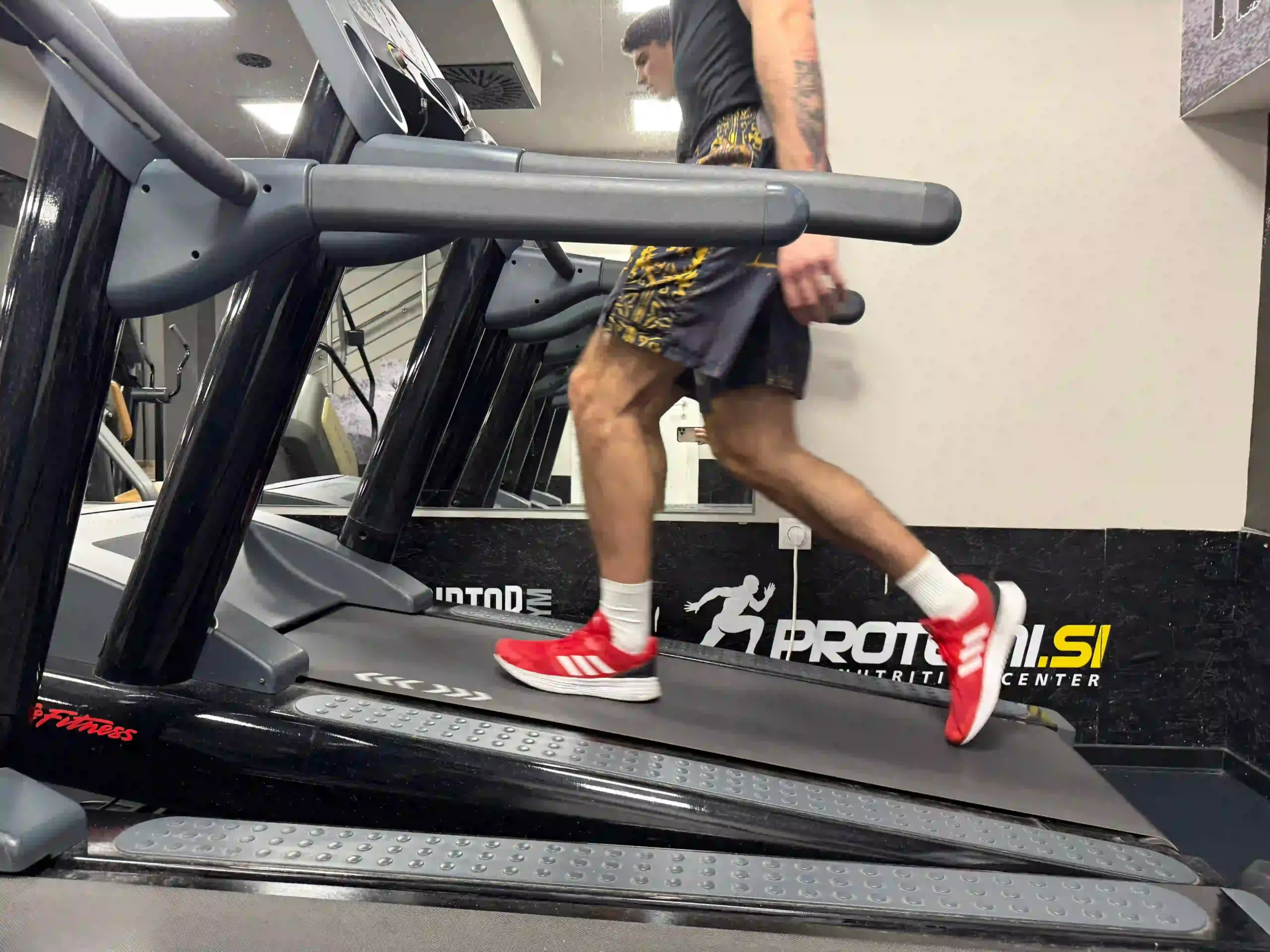
Walking or running uphill recruits more muscle fibers, particularly in your glutes, hamstrings, and calves. The incline fundamentally changes the biomechanics of movement.
If you want to understand how incline training stacks up against flat running in terms of cardiovascular demand and calorie output, my breakdown of incline treadmill vs running covers the evidence on heart rate elevation, fat oxidation, and which approach delivers better results by training goal.
Incline walking at a 10% grade increases metabolic cost by approximately 113% compared to flat walking at similar speeds (4). Your body works significantly harder to overcome gravity with each step.
Treadmill workout incline strategies:
Hill Repeats: Alternate 2-minute climbs at 6-8% incline with 2-minute flat recoveries
Progressive Incline: Start at 1% and increase 1% every 3 minutes up to 10%
12-3-30 Protocol: Walk 30 minutes at 12% incline and 3 mph
Incline HIIT: Sprint 30 seconds at 10% incline, walk 60 seconds flat
The joint-loading patterns shift favorably with incline. Research demonstrates that peak internal knee-abduction moment decreases significantly at gradients above 5%, which potentially reduces cartilage degeneration risk over time (5).
When testing treadmills at our lab, I always evaluate incline capability and motor strength under load. Cheaper models struggle to maintain speed at steep inclines, disrupting your rhythm and reducing workout quality. For a full breakdown of the best machines built specifically for incline training, our incline treadmill review guide covers the top options with 12-15% maximum grades and motors rated for sustained incline use.
Treadmill workout for weight loss: creating a caloric deficit
Weight management requires consistent caloric expenditure paired with proper nutrition. Treadmill training provides reliable, measurable energy burn.
The combination of treadmill cardio workout sessions with strength training produces optimal results. While cardio burns calories during activity, muscle tissue elevates your resting metabolic rate continuously.
Effective treadmill workout plan for weight loss:
Monday: 30-minute steady-state walk/jog at 65-75% max heart rate
Tuesday: 20-minute HIIT session (described above)
Thursday: 40-minute incline intervals
Saturday: 45-minute longer duration moderate-intensity session
For treadmill workout to lose weight effectively, consistency matters more than intensity. I've observed that clients who commit to four weekly sessions at moderate intensity outperform those attempting intense daily workouts that lead to burnout.
Progressive 8-week treadmill workout plan:
| Week | Frequency | Duration | Intensity | Focus |
|---|---|---|---|---|
| 1-2 | 3x/week | 20-25 min | Low-Moderate | Building base |
| 3-4 | 4x/week | 25-30 min | Moderate | Adding volume |
| 5-6 | 4x/week | 30-35 min | Moderate-High | Introducing intervals |
| 7-8 | 5x/week | 35-40 min | High | Maximizing results |
The best treadmill workout for fat loss combines multiple training modalities throughout the week rather than repeating identical sessions. Variety prevents adaptation and keeps your metabolism responsive.
Treadmill Workout for Beginners: Building Your Foundation
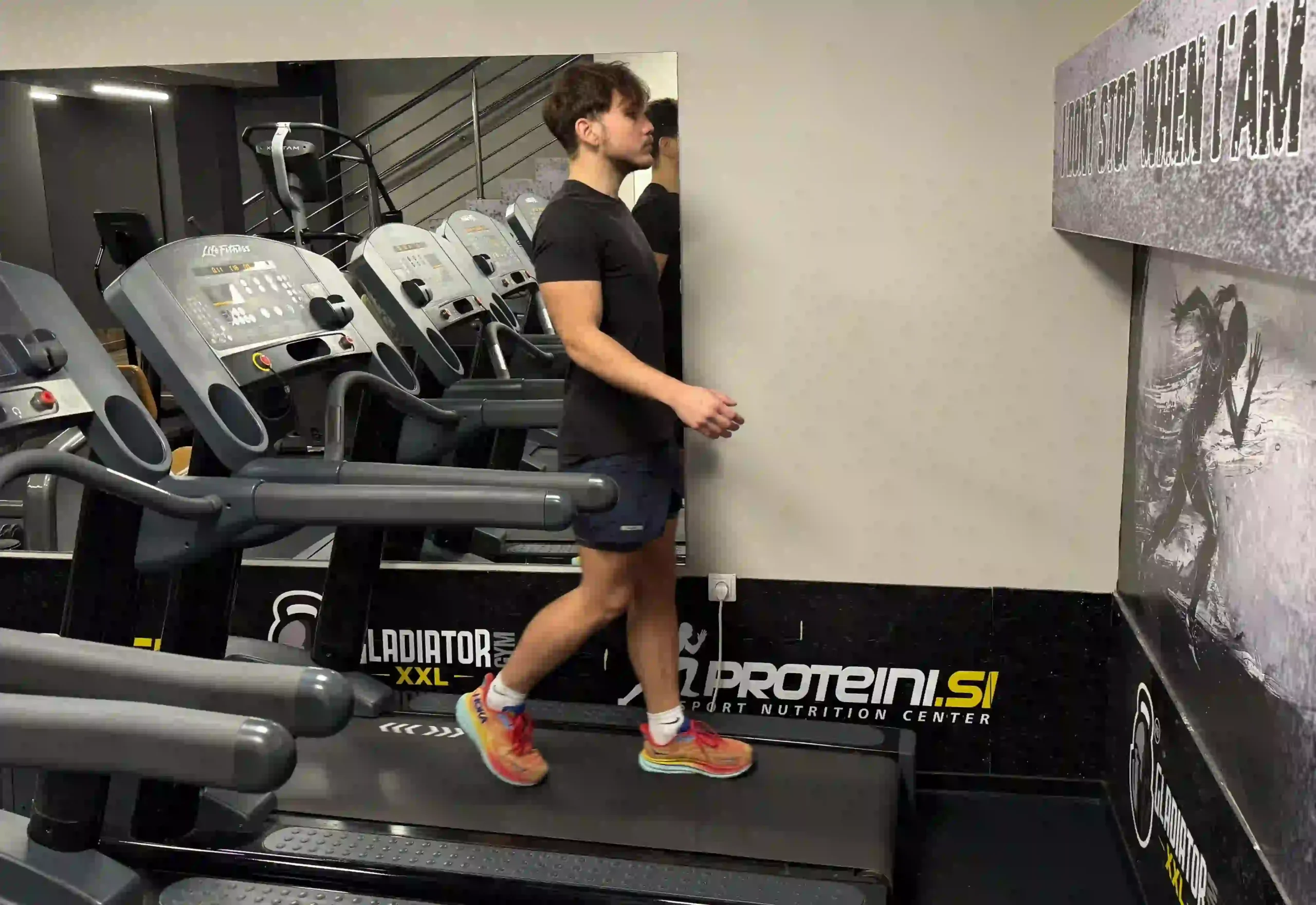
Starting your fitness journey requires patience and structured progression. The treadmill provides an ideal environment for beginners because it controls pacing automatically.
Pair that structure with my guide to running on a treadmill for step-by-step form cues and a safe progression framework.
Beginner treadmill workouts for weight loss:
Week 1: 15 minutes walking at 3 mph, 0% incline, 3 days
Week 2: 20 minutes walking at 3.5 mph, 0% incline, 3 days
Week 3: 25 minutes alternating 2 min at 4 mph, 3 min at 3 mph
Week 4: 30 minutes with progressive incline (start 0%, add 1% every 5 min)
New exercisers should focus on movement consistency rather than intensity. Your cardiovascular system adapts remarkably fast when given regular stimulus.
Essential form cues for gym treadmill use:
Maintain upright posture with shoulders back and down
Engage your core as if bracing for a gentle punch
Let arms swing naturally without crossing your body's midline
Land mid-foot rather than on heels or toes
Avoid gripping the handrails except during brief balance checks
Keep your gaze forward, not down at your feet
During beginner assessments at TechFitnessLab, I frequently see people clutching handrails desperately. This habit reduces calorie burn by up to 20% and prevents proper biomechanical patterns from developing. If you need handrails for balance, slow down your speed.
The treadmill workout for beginners must include proper warm-up and cool-down periods. Five minutes of gradual speed increase prepares muscles and reduces injury risk. Similarly, five minutes of gradual deceleration helps prevent dizziness and supports recovery.
Advanced Treadmill Workout Techniques
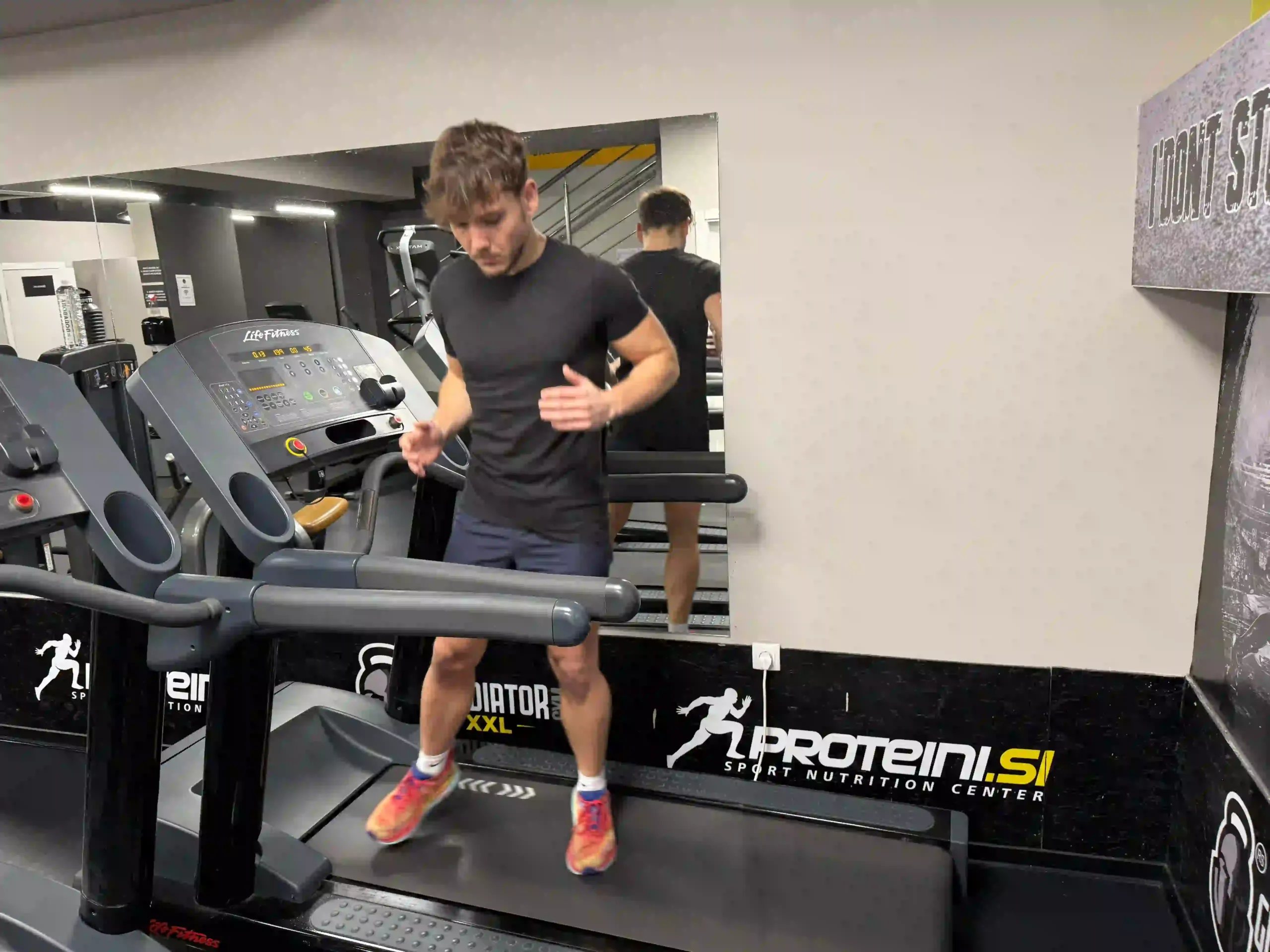
Here are the advanced treadmill workout techniques.
Speed treadmill workout: developing explosive power
Sprint intervals build anaerobic capacity and fast-twitch muscle fiber recruitment. These treadmill workout programs require full recovery between efforts.
Sprint protocol:
- Warm up 10 minutes progressively from walk to easy jog
- Sprint 20 seconds at 12+ mph (adjust to your maximum safe speed)
- Walk/jog 2 minutes for complete recovery
- Repeat 6-8 times
- Cool down for 10 minutes with easy pace
Research on high-intensity interval training shows it improves cardiovascular fitness more effectively than moderate-intensity continuous training when intervention duration exceeds 7 weeks (6). Programs lasting 7-12 weeks produced the largest cardiorespiratory improvements for patients with coronary artery disease.
Treadmill hill workout: building leg strength
Hill training mimics outdoor terrain while providing measured progression. The treadmill workout incline challenges your posterior chain muscles intensely.
Hill workout structure:
5-minute warm-up walk/jog at 0%
3 minutes at 4% incline, moderate pace
2 minutes at 2% incline, easy pace
3 minutes at 6% incline, moderate pace
2 minutes at 2% incline, easy pace
3 minutes at 8% incline, moderate pace
2 minutes at 2% incline, easy pace
Repeat cycle 2-3 times
5-minute cool-down
I tested this protocol extensively during our treadmill reviews. Users consistently report significant glute and hamstring activation compared to flat running. One treadmill workout for glutes specifically targets these muscles through sustained incline walking at 8-12% grade.
Treadmill Cardio Workout: Heart Health Benefits
Regular cardiovascular exercise strengthens your heart muscle and improves circulation. The treadmill provides measurable training zones for targeted adaptations.
My guide on what the treadmill is good for covers the full range of training outcomes you can expect from consistent use.
Calculate your maximum heart rate using 220 minus your age. Train in different zones for specific benefits:
Heart rate training zones:
Zone 1 (50-60% max HR): Recovery and warm-up
Zone 2 (60-70% max HR): Fat burning and endurance base
Zone 3 (70-80% max HR): Aerobic capacity development
Zone 4 (80-90% max HR): Lactate threshold improvement
Zone 5 (90-100% max HR): Maximum effort, anaerobic power
Most people benefit from spending 70-80% of their training time in zones 2-3. These moderate intensities build sustainable cardiovascular fitness without excessive fatigue.
A treadmill cardio routine should vary throughout the week. Monday might emphasize zone 2 for 40 minutes, Wednesday targets zone 4 intervals, and Friday combines zones across a longer session.
During my competitive athletic career, I relied heavily on heart rate data from treadmill sessions. This quantitative feedback prevented both under-training and overtraining, allowing consistent improvement.
Walking on Treadmill Workout: Low-Impact Benefits
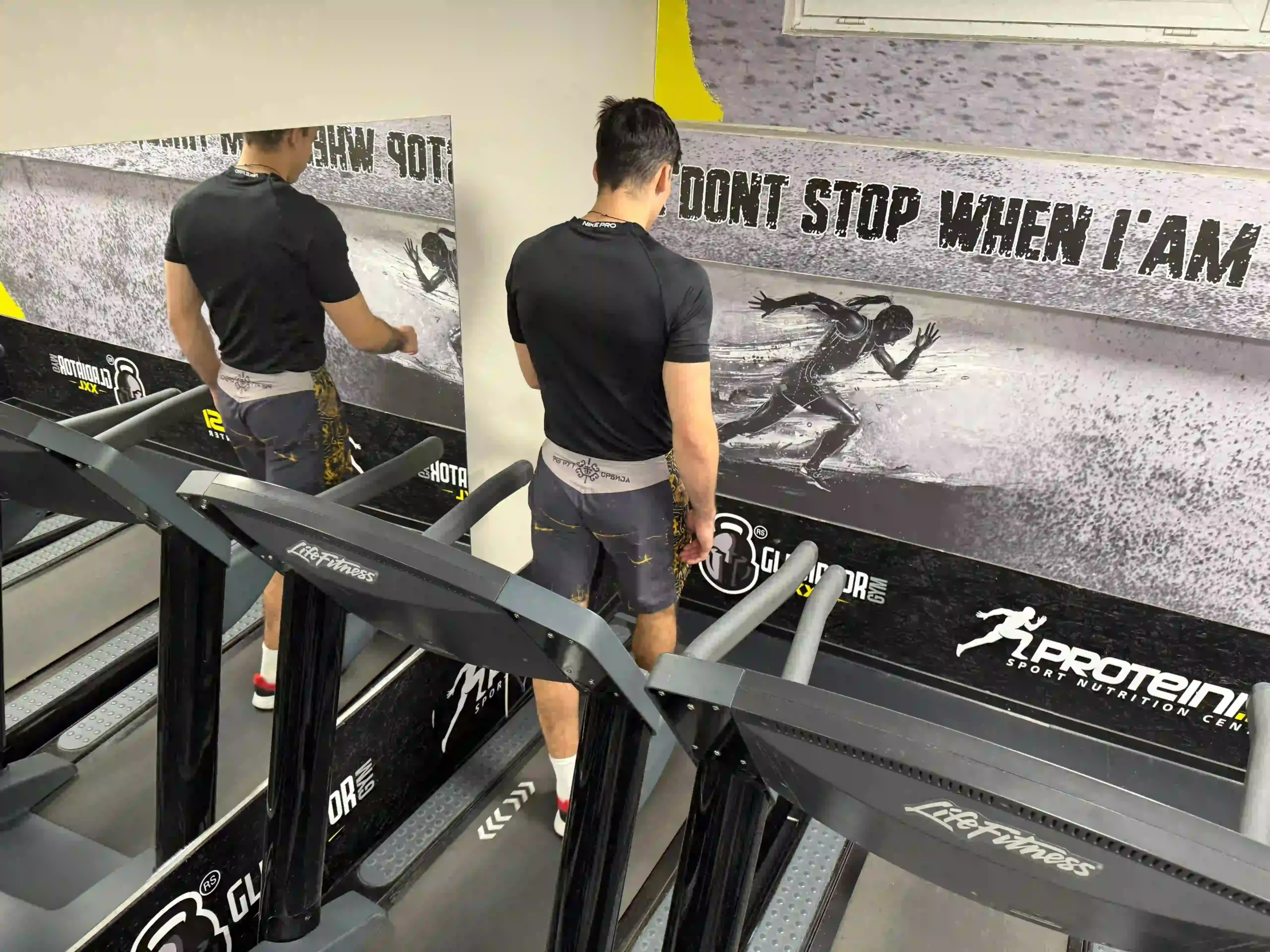
Walking provides substantial health benefits without the joint stress of running. It's often underestimated as a serious training method.
Backward walking activates different muscle groups than forward movement. Set your treadmill to 2-3 mph with 0% incline, grip the side rails initially, and carefully walk backward. This variation improves balance, coordination, and recruits often-neglected anterior leg muscles. For a full breakdown of the research behind this technique, our guide to the main benefits of walking backwards on treadmill covers 40% higher calorie burn, knee pain reduction, and proprioception improvements documented across multiple clinical trials [1].
Structured walking workout:
| Interval | Duration | Speed | Incline | Notes |
|---|---|---|---|---|
| Warm-up | 5 min | 2.5-3 mph | 0% | Easy pace |
| Main Set | 3 min | 4 mph | 3% | Brisk walk |
| Recovery | 2 min | 3 mph | 1% | Comfortable |
| Repeat | 6 rounds | - | - | Total 30 min main work |
| Cool-down | 5 min | 2.5 mph | 0% | Easy pace |
Walking consistently at moderate intensity delivers impressive cardiovascular adaptations. Studies show that even moderate-intensity continuous training improves blood pressure, though HIIT demonstrates superior results when directly compared (7).
Treadmill or Exercise Bike: Making the Right Choice
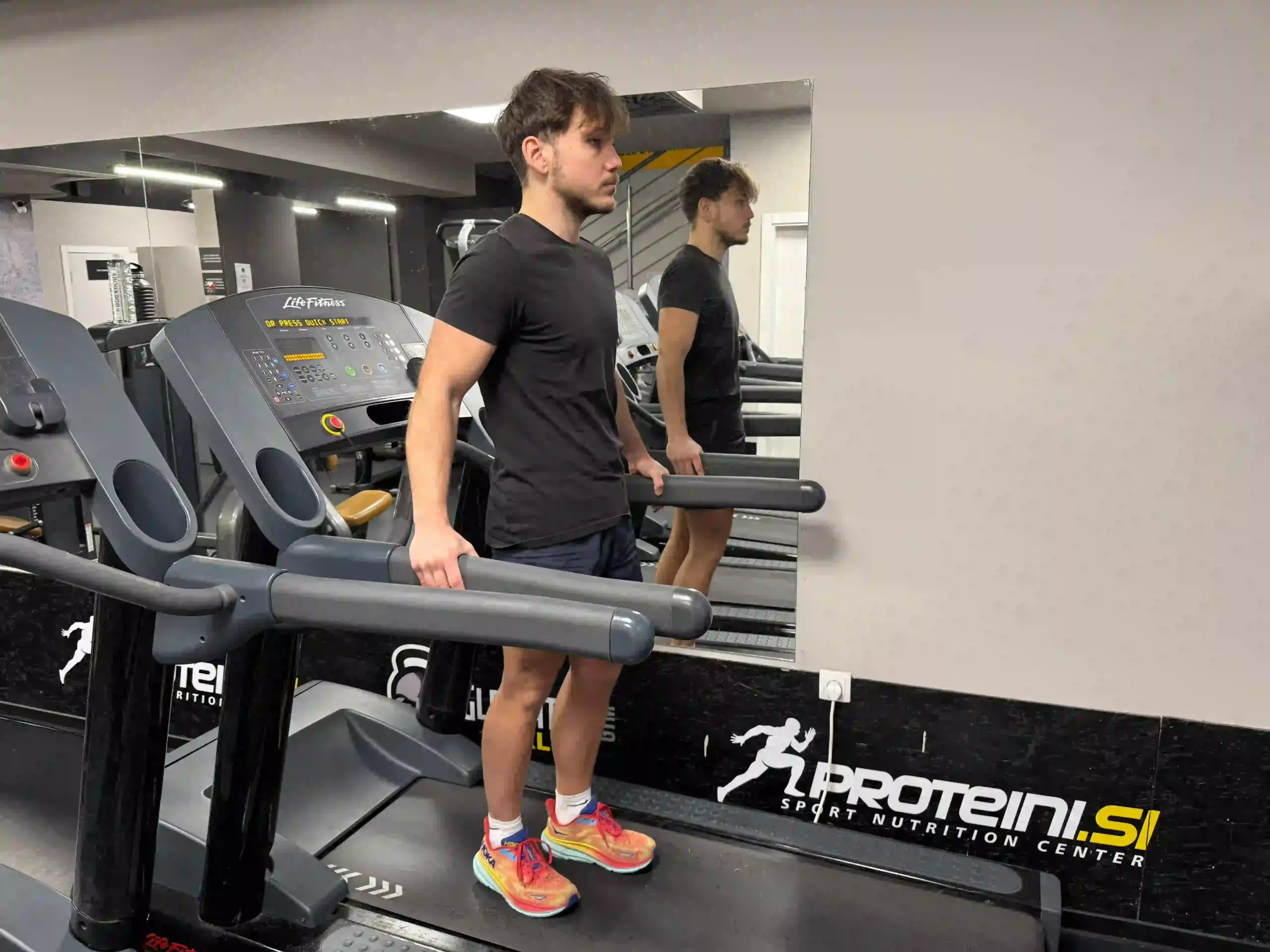
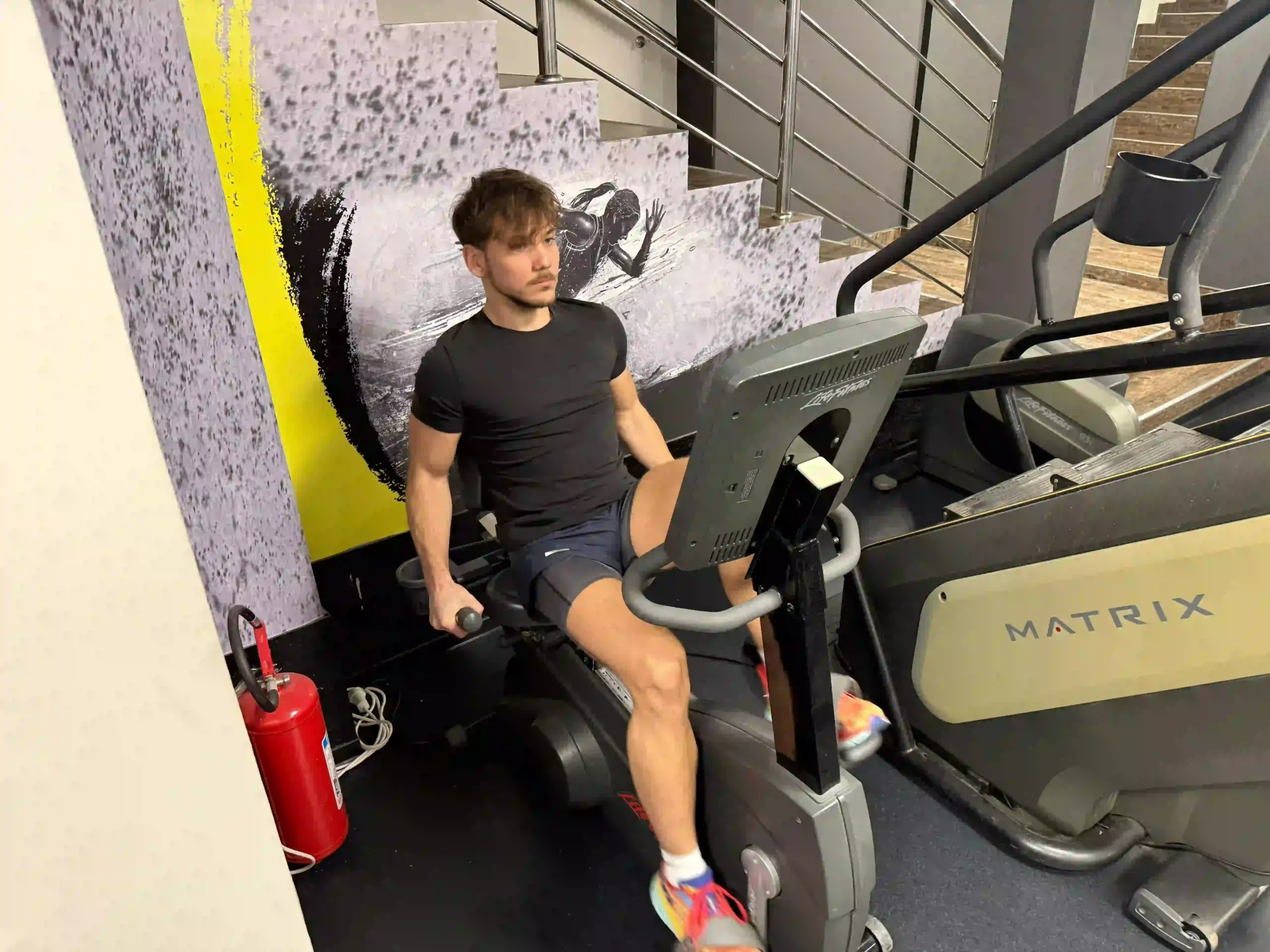
Both machines offer cardiovascular benefits, but treadmill training involves weight-bearing activity that builds bone density. The exercise bike reduces joint impact further and may suit individuals with knee problems.
For treadmill or exercise bike for belly fat reduction, both create caloric deficits effectively. The treadmill typically burns more calories per hour due to full-body engagement and gravity resistance. An exercise bike allows higher intensity with less perceived exertion, potentially enabling longer workout durations.
Pro Tip: I evaluated both modalities extensively. The treadmill edges ahead for overall calorie burn, functional movement patterns, and bone health. The bike wins for joint preservation and upper-body injury accommodation.
For remote workers or those with limited time who want to accumulate daily movement without dedicated workout sessions, our under desk treadmill setup guide covers compact walking pad models that fit neatly under a standing desk and serve a completely different purpose from both the treadmill and exercise bike options discussed above.
Treadmill Workout Equipment and Accessories
Quality treadmill fitness equipment makes a tremendous difference in your experience and results. After testing dozens of models, key features separate excellent from mediocre:
My guide on what to look for in a treadmill ranks the specifications that actually affect workout quality.
Essential treadmill specifications:
Motor power: Minimum 2.5 HP continuous duty for walking, 3.0+ HP for running
Belt size: At least 50" in length for a comfortable stride
Incline range: 0-15% for comprehensive training options
Speed range: 0-12+ mph for interval work
Shock absorption: Quality cushioning system reduces joint stress
Console features: Easy-to-read display, quick controls, and programs
Durability: Commercial-grade frames for longevity
During our rigorous testing protocols at TechFitnessLab, we simulate years of use within weeks. Budget models consistently fail under sustained incline running. Investing in quality treadmill workout equipment pays dividends through reliability and performance.
For home users where floor space is a limiting factor, our folding treadmill lineup covers the best compact models that fold to a minimal footprint without sacrificing the motor power, belt length, or incline range needed for the structured workout protocols covered in this guide.
Treadmill Workout Benefits: The Complete Picture
Regular treadmill training delivers measurable improvements across multiple health markers. Understanding these treadmill benefits helps maintain motivation during difficult training phases.
For a fully evidence-based breakdown of what consistent treadmill training delivers across cardiovascular health, fat loss, mental health, joint health, and specific populations, our main treadmill benefits guide covers 17 science-backed benefits with peer-reviewed research behind every claim. Understanding these treadmill benefits helps maintain motivation during difficult training phases.
Advantages of treadmill workouts include:
Cardiovascular health: Reduced blood pressure, improved circulation, stronger heart function
Weight management: Consistent caloric expenditure supporting fat loss goals
Mental health: Reduced stress, improved mood through endorphin release
Bone density: Weight-bearing activity stimulates bone formation
Metabolic health: Improved insulin sensitivity and blood sugar regulation
Convenience: Train regardless of weather, time constraints, or safety concerns
Measurability: Track exact distance, speed, incline, and calories burned
The benefits of a treadmill workout extend beyond physical adaptations. I've witnessed remarkable psychological transformations in clients who establish consistent training routines. The discipline required to show up regularly translates into other life areas.
One client managing type 2 diabetes reduced her HbA1c from 8.2% to 6.4% over four months using structured treadmill intervals three times weekly. Her physician progressively reduced medications as her metabolic health improved.
So, is treadmill good exercise? Absolutely, but only when it is programmed intelligently.
Treadmill Workout with Dumbbells: Adding Resistance
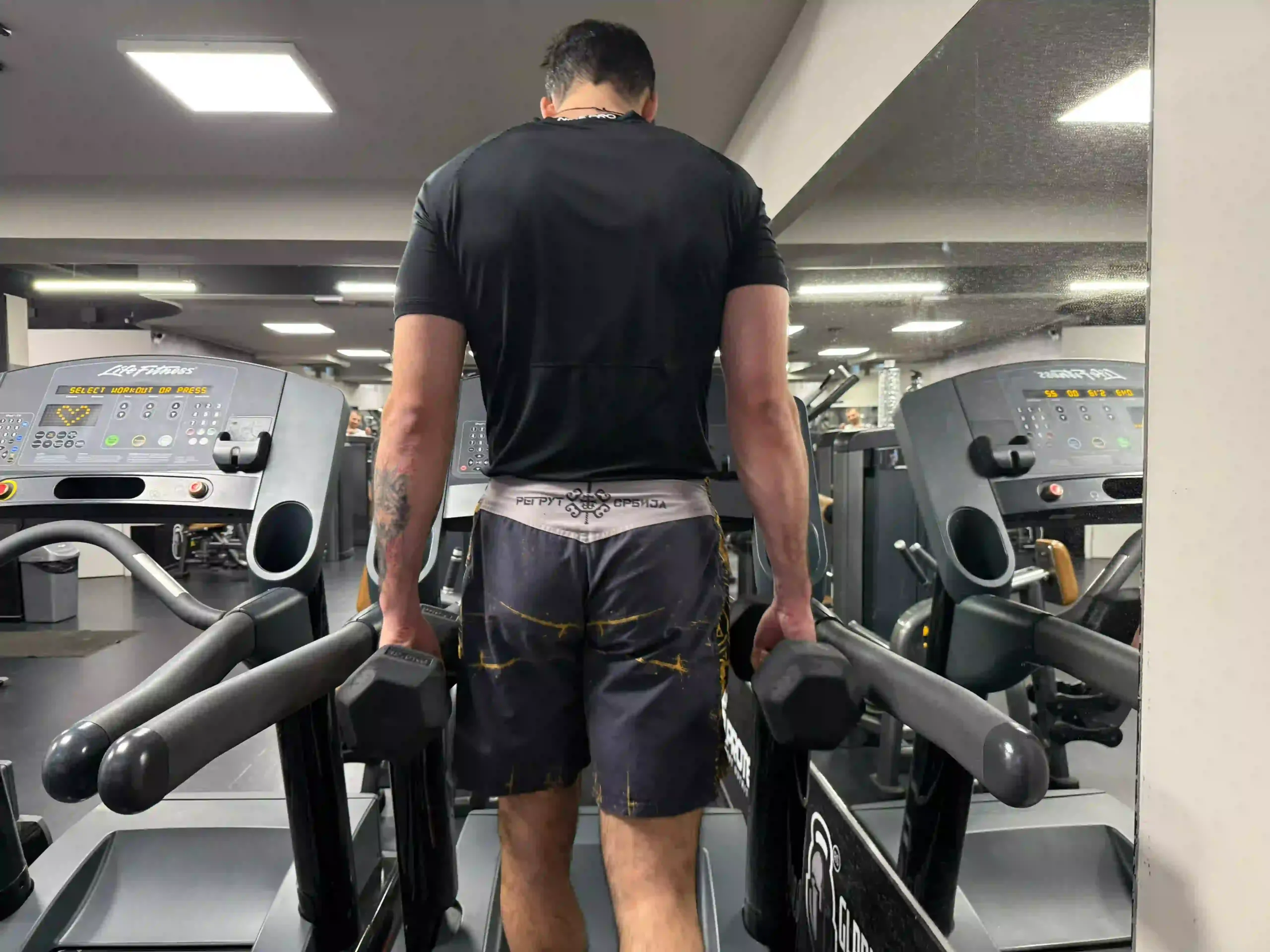
Combining cardiovascular work with resistance training increases overall caloric expenditure and challenges multiple energy systems simultaneously.
Safe dumbbell treadmill protocols:
Walking lunges: Hold light dumbbells (5-10 lbs), walk slowly while lunging
Overhead press intervals: Walk at an easy pace, press dumbbells overhead for 30 seconds, lower for 30 seconds
Bicep curl walks: Maintain walking rhythm while performing controlled curls
Farmer's carry: Hold heavier dumbbells at sides, walk with perfect posture
Never attempt running with dumbbells. The coordination demands and injury risk outweigh any potential benefits. Walking speed allows controlled movement patterns.
I tested various dumbbell protocols during equipment reviews. The added resistance transforms a moderate treadmill walk into a comprehensive full-body challenge. Start extremely light to establish proper form before progressing weight.
Treadmill Workout for Stamina: Building Endurance
Developing cardiovascular endurance requires progressively longer training durations at sustainable intensities. A treadmill workout for stamina focuses on time under tension rather than speed or intensity.
8-week stamina-building protocol:
Weeks 1-2: 20 minutes at comfortable conversation pace, 3x/week
Weeks 3-4: 30 minutes at the same intensity, 4x/week
Weeks 5-6: 40 minutes with one weekly long session of 50 minutes
Weeks 7-8: 45 minutes regularly with one 60-minute session weekly
This gradual progression prevents overtraining while building substantial aerobic capacity. Research demonstrates that aerobic capacity (VO2peak) serves as the strongest predictor of future health and all-cause mortality (8).
During marathon training blocks, I relied on treadmill stamina workouts when the weather prevented outdoor running. The mental challenge of sustained treadmill effort actually strengthened my psychological resilience, benefiting race-day performance.
For a detailed breakdown of how the two surfaces differ physiologically and what that means for structuring indoor training blocks, my post on treadmill running versus outdoor running covers the calorie gap, gait differences, and the 1% incline correction that closes most of the performance divide.
Programming Treadmill Workout Intervals for Maximum Results
Interval structure determines training adaptations. Manipulating work-to-rest ratios targets different physiological systems.
Interval programming variables:
Work duration: 10 seconds to 5 minutes, depending on intensity
Rest duration: Equal to, half of, or double work time
Work intensity: 85-100% maximum effort
Rest intensity: 40-60% maximum effort or complete stop
Total rounds: 4-12 based on work duration and intensity
Total session time: 20-45 minutes, including warm-up/cool-down
Shorter, more intense intervals (10-30 seconds) develop anaerobic power. Longer intervals (2-5 minutes) improve lactate threshold and VO2max. A comprehensive treadmill workout guide incorporates both throughout training weeks.
The treadmill workout routine for weight loss should emphasize moderate-length intervals (1-3 minutes) at high but sustainable intensity. This sweet spot maximizes caloric expenditure while remaining psychologically manageable for most people.
Common Treadmill Workout Mistakes to Avoid
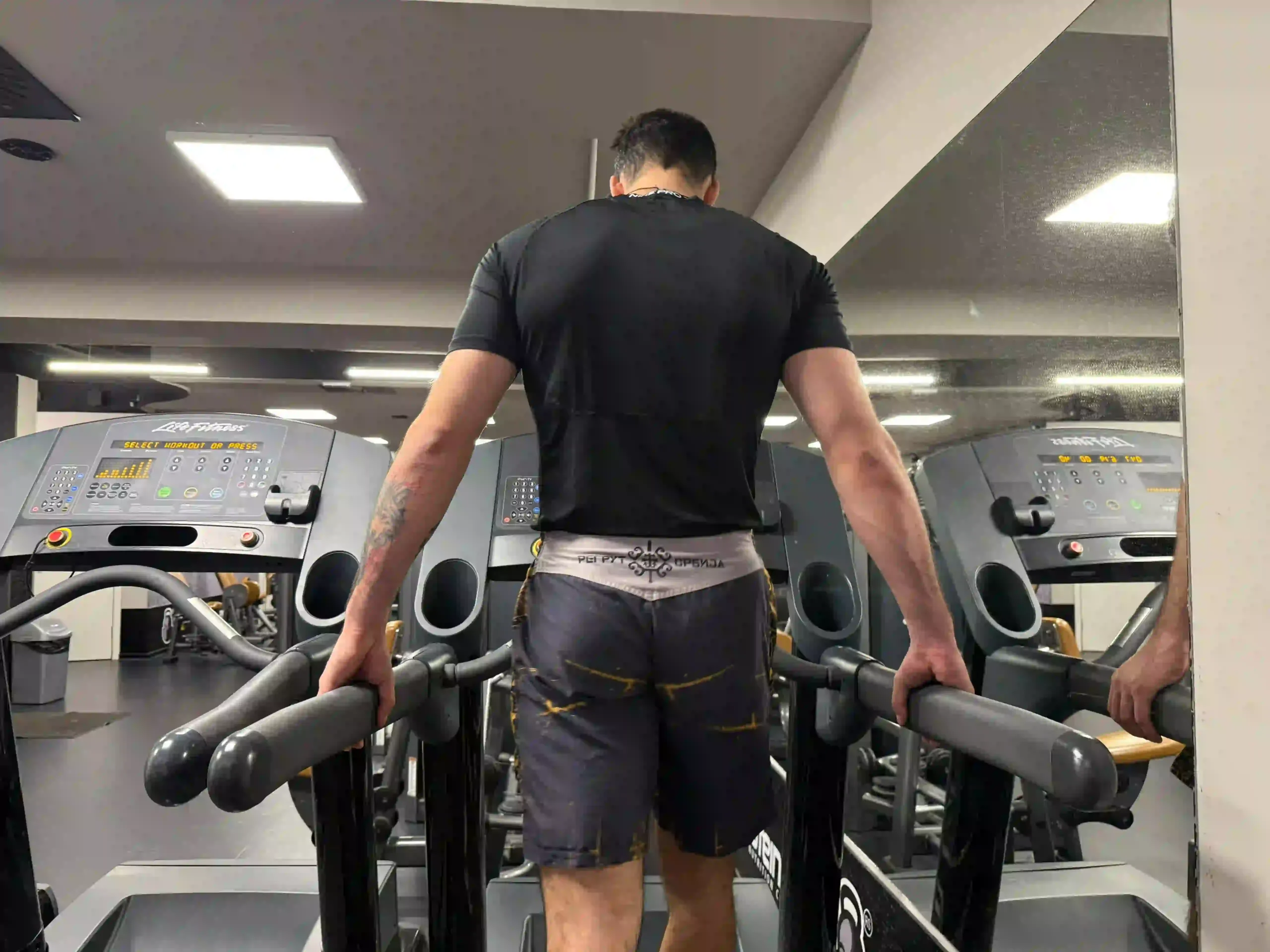
After observing thousands of training sessions, certain errors appear repeatedly:
Frequent treadmill training errors:
Gripping handrails continuously (reduces calorie burn 15-25%)
Starting too fast without adequate warm-up (increases injury risk)
Maintaining identical workouts week after week (prevents adaptation)
Setting incline too steep for running (excessive knee stress)
Watching feet instead of the horizon (disrupts balance and posture)
Skipping cool-down period (may cause dizziness or delayed soreness)
Training in worn-out shoes (compromises cushioning and support)
During treadmill assembly and safety testing, I emphasize emergency stop procedures. Always attach the safety clip to your clothing. This simple step prevents serious injury if you stumble or lose balance.
Treadmill Maintenance: Protecting Your Investment
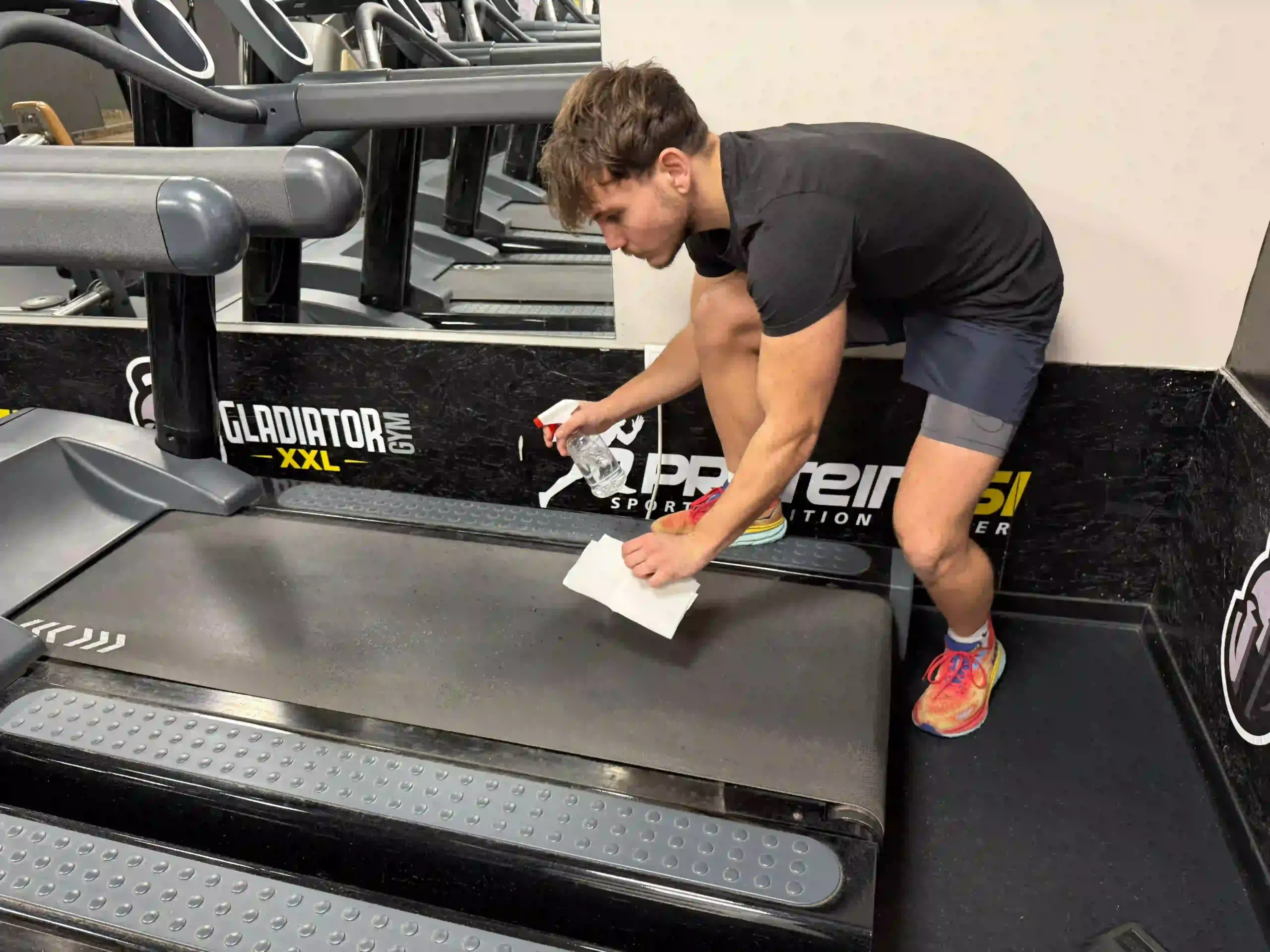
Regular treadmill maintenance ensures longevity and consistent performance. I've seen expensive machines fail prematurely due to neglect.
If you have just purchased a machine and have not set it up yet, our treadmill assembly explained in detail guide walks through the full process step by step, including wire routing, belt tension setup, and the initial calibration checks that prevent the most common post-assembly issues. Regular maintenance after that point ensures longevity and consistent performance.
Essential maintenance tasks:
Vacuum around motor housing monthly (dust buildup causes overheating)
Lubricate the belt every 3-6 months per the manufacturer's specifications
Tighten all bolts quarterly (vibration loosens connections over time)
Clean the belt surface weekly with an appropriate cleaner
Inspect the power cord for damage regularly
Check belt alignment and adjust if needed
For detailed treadmill maintenance[2] procedures specific to your model, consult the owner's manual. Proper care prevents costly repairs and ensures safe operation during intense workouts.
Tracking Progress and Adjusting Your Program
Measurable progress sustains long-term motivation. Track these key metrics:
Important tracking variables:
Resting heart rate (measures cardiovascular adaptation)
Average speed/pace at conversational intensity (tracks fitness improvement)
Maximum incline sustainable for 5 minutes (strength progression indicator)
Body composition changes (more meaningful than scale weight)
Recovery heart rate (how quickly HR drops post-exercise)
Subjective difficulty ratings for standard workouts
I recommend reassessing every 4-6 weeks. If a workout that felt challenging becomes comfortable, your body has adapted. Increase speed, incline, duration, or interval intensity to maintain progressive overload.
A fitness watch review guide covers devices that track heart rate zones automatically during intervals, so you can act on that data in real time rather than referencing the console.
If weight loss is your primary goal, our treadmill weight loss explained guide covers the exact speed, incline, session frequency, and nutrition timing combinations proven to produce consistent fat loss results. Keep in mind that scale weight fluctuates daily, so focus on trend lines over weeks rather than day-to-day variations. I've coached dozens of clients who became discouraged by normal weight fluctuations before understanding this principle.
Nutrition Considerations for Treadmill Training

Your treadmill workout program requires proper fuel. Timing and composition matter significantly.
Pre-workout nutrition guidelines:
Light meal 2-3 hours before: Complex carbs plus moderate protein
Small snack 30-60 minutes before: Simple carbs for quick energy
Hydration: 16-20 oz water 2 hours pre-workout, 8 oz 30 minutes before
Avoid high-fat or high-fiber foods immediately before training
Post-workout recovery:
Consume protein and carbs within 30-60 minutes post-exercise
Aim for 20-30g protein to support muscle repair
Include carbohydrates to replenish glycogen stores
Rehydrate with 16-24 oz water for every pound lost during exercise
During extended treadmill sessions exceeding 60 minutes, consider consuming 30-60g of carbohydrates per hour.
Sports drinks or gels provide easily digestible energy without gastrointestinal distress.
Integrating Treadmill Workouts into Comprehensive Training
The treadmill shouldn't exist in isolation within your fitness program. Balanced training includes strength work, flexibility training, and active recovery.
One practical consideration worth planning for early is equipment relocation. If you ever need to move your machine between rooms or properties, our how to disassemble a treadmill explained guide covers the full breakdown process safely so you can protect both the motor and belt during any move. Beyond that, the treadmill should not exist in isolation within your fitness program, as balanced training includes strength work, flexibility training, and active recovery.
Weekly training template:
Monday: Treadmill HIIT workout (20-30 min) + upper body strength
Tuesday: Lower body strength training
Wednesday: Moderate treadmill cardio workout (30-40 min)
Thursday: Active recovery (yoga, walking, swimming)
Friday: Treadmill intervals or incline workout (25-35 min) + core work
Saturday: Strength training full body
Sunday: Treadmill long slow distance (45-60 min) or complete rest
This structure provides adequate cardiovascular stimulus while supporting muscle development and recovery. The specific best treadmill workout depends on your individual goals, current fitness level, and time availability.
Smart Treadmills: Technology Enhancing Performance
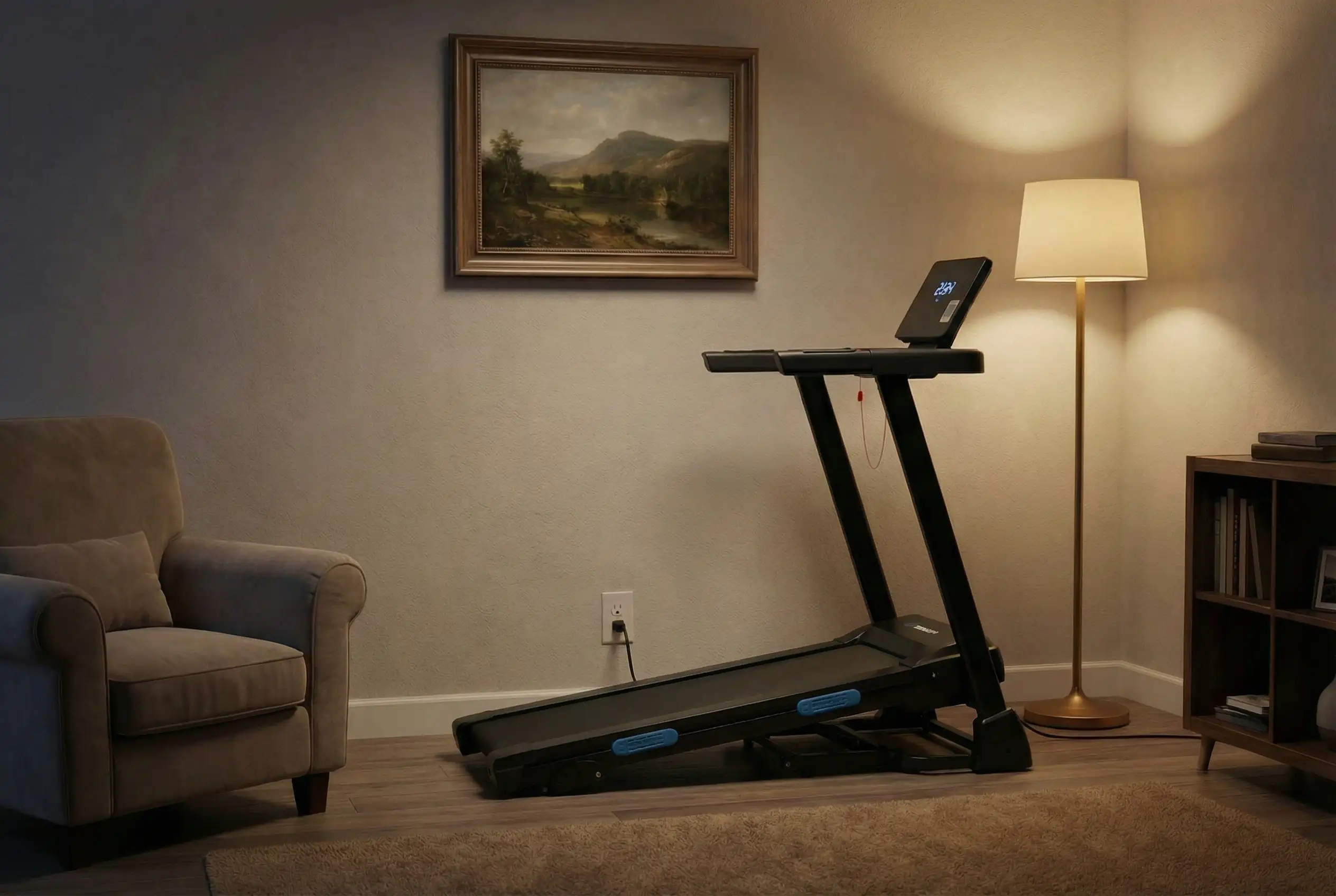
Modern smart treadmills integrate interactive training, automatic adjustments, and connectivity features that enhance engagement and results.
Our testing at TechFitnessLab reveals significant benefits from smart features when properly utilized. Automatic speed and incline adjustments based on programmed workouts maintain perfect protocol execution without manual intervention.
Valuable smart treadmill features:
Interactive training programs with virtual courses and coaching
Automatic workout adjustments based on heart rate feedback
Performance tracking and progress visualization over time
Entertainment integration (streaming services, apps)
Social features for virtual group training
Customizable programs saved to user profiles
The technology prevents the common problem of workout drift, where people unconsciously reduce intensity as fatigue accumulates. Smart treadmills maintain prescribed parameters regardless of user fatigue.
For those serious about measurable progress, investing in quality smart treadmills delivers superior results compared to basic models. The built-in accountability and variety combat the monotony that causes many people to abandon their fitness goals.
The NordicTrack T Series 10 Treadmill (iFIT) pairs a 10 inch tilting touchscreen with SmartAdjust auto incline and speed changes for exactly this kind of accountability.
Elevate Your Training with the Right Equipment
Treadmill workouts deliver exceptional cardiovascular benefits, weight management support, and measurable fitness improvements when approached systematically. The combination of controlled conditions, precise data tracking, and program flexibility makes treadmill training indispensable for serious fitness enthusiasts.
Your success depends on progressive programming, consistent execution, and quality equipment. After years of testing various approaches with hundreds of athletes and everyday exercisers, I've observed that people who commit to structured treadmill protocols achieve dramatically better results than those following random, unplanned sessions.
The research clearly demonstrates HIIT's superiority for time-efficient fitness gains, incline training's effectiveness for calorie burn, and steady-state cardio's value for building aerobic base. Combining these methods throughout your training week optimizes adaptations across all energy systems.
If you're ready to maximize your treadmill training results, the right equipment matters significantly. Our comprehensive reviews of smart treadmills[4] provide detailed analysis of features, performance, and value to help you select the perfect machine for your goals and budget.
FAQs
How long should I spend on the treadmill?
The ideal treadmill workout duration depends on your fitness goals and current conditioning level. For beginners, 20-30 minutes per session provides sufficient stimulus for cardiovascular adaptation without excessive fatigue. Intermediate exercisers typically benefit from 30-45 minute sessions, while advanced athletes often train 45-60 minutes or longer during base-building phases.
Is 30 minutes of treadmill enough to lose weight?
Yes, 30 minutes of treadmill workout can contribute to weight loss when combined with proper nutrition and performed consistently 4-5 times per week. The specific caloric deficit created depends on intensity – HIIT sessions burn more calories per minute than steady-state walking. However, sustainable weight loss requires creating a modest daily caloric deficit through combined diet and exercise modifications.
What does treadmill workout do?
Treadmill workouts improve cardiovascular fitness by strengthening your heart, enhancing blood circulation, burning calories for weight management, building lower-body muscular endurance, improving bone density through weight-bearing activity, and providing mental health benefits through stress reduction and mood enhancement. Regular training also improves metabolic markers like insulin sensitivity and blood pressure.
What is the 12-3-30 treadmill workout?
The 12-3-30 workout involves walking on a treadmill set to a 12% incline at 3 miles per hour for 30 minutes. This protocol gained popularity through social media due to its simplicity and effectiveness for calorie burning without high-impact running. The steep incline significantly increases energy expenditure while remaining accessible for various fitness levels.
What is a good speed on a treadmill to lose belly fat?
No single speed targets belly fat specifically, as spot reduction is physiologically impossible. For effective fat loss, alternate between moderate-intensity steady-state cardio (3.5-4.5 mph walking or 5-7 mph jogging, depending on fitness) and high-intensity intervals (8-12 mph sprints). The combination of consistent training, caloric deficit through nutrition, and varied workout intensities produces optimal body composition changes over time.
References:
- Ko JM, So WY, Park SE. Narrative Review of High-Intensity Interval Training: Positive Impacts on Cardiovascular Health and Disease Prevention. J Cardiovasc Dev Dis. 2025;12(4):158. Published 2025 Apr 17. doi:10.3390/jcdd12040158
- Edwards JJ, Griffiths M, Deenmamode AHP, O'Driscoll JM. High-Intensity Interval Training and Cardiometabolic Health in the General Population: A Systematic Review and Meta-Analysis of Randomised Controlled Trials. Sports Med. 2023;53(9):1753-1763. doi:10.1007/s40279-023-01863-8
- Panissa VLG, Fukuda DH, Staibano V, Marques M, Franchini E. Magnitude and duration of excess of post-exercise oxygen consumption between high-intensity interval and moderate-intensity continuous exercise: A systematic review. Obes Rev. 2021;22(1):e13099. doi:10.1111/obr.13099
- Wong MWH, Davis DW, Perez OR, et al. An Exploratory Study Comparing the Metabolic Responses between the 12-3-30 Treadmill Workout and Self-Paced Treadmill Running. Int J Exerc Sci. 2025;18(6):56-64. Published 2025 Jan 1. doi:10.70252/UBIX5911
- Haggerty M, Dickin DC, Popp J, Wang H. The influence of incline walking on joint mechanics. Gait Posture. 2014;39(4):1017-1021. doi:10.1016/j.gaitpost.2013.12.027
- Hannan AL, Hing W, Simas V, et al. High-intensity interval training versus moderate-intensity continuous training within cardiac rehabilitation: a systematic review and meta-analysis. Open Access J Sports Med. 2018;9:1-17. Published 2018 Jan 26. doi:10.2147/OAJSM.S150596
- Tamayo Acosta J, Sosa Gomez AE, Samuel S, Pelenyi S, Acosta RE, Acosta M. Effects of Aerobic Exercise Versus High-Intensity Interval Training on V̇O2max and Blood Pressure. Cureus. 2022;14(10):e30322. Published 2022 Oct 15. doi:10.7759/cureus.30322
- Ito S. High-intensity interval training for health benefits and care of cardiac diseases - The key to an efficient exercise protocol. World J Cardiol. 2019;11(7):171-188. doi:10.4330/wjc.v11.i7.171